
Minori
2019
No user ratings available yet
Representation score: 5.0 out of 10
Representation Score
Fair
2003
UnratedDirector
Alain Corneau
Runtime
107 minutes
Average Rating
No ratings yetNew Showbiz Analysis
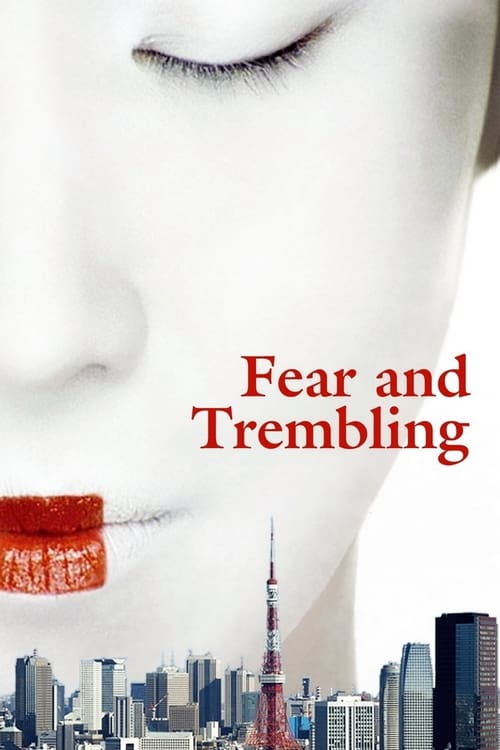
Fear and Trembling is a biting social satire that prioritizes the deconstruction of institutional norms over broad demographic representation. It excels in its examination of cultural friction and the subversion of gendered power dynamics. However, the film lacks diversity in terms of LGBTQ+ representation and disability narratives. It remains focused on a specific intersection of Western identity and Japanese corporate rigidity.
Category Breakdown
The film does not include any LGBTQ+ characters or explore non-cisgender identities. The story focuses solely on the protagonist's journey within a traditional corporate environment.
The film challenges traditional gender roles by showing female characters using psychological dominance to enforce a hierarchical structure. Miss Fubuki's actions highlight how women can use patriarchal systems to maintain power.
The story offers a nuanced look at cultural friction. It follows a Belgian woman's struggle to integrate into Japanese society without resorting to tourist clichés.
The narrative critiques rigid institutionalism and 'salaryman' culture. It portrays the corporate hierarchy as an oppressive machine that demands the total surrender of individual will.
There are no significant depictions of visible or invisible disabilities within the main storyline.
Present on Screen
Limited or Absent
Official Synopsis
Amélie, a young Belgian woman, having spent her childhood in Japan, decides to return to live there and tries to integrate in the Japanese society. She is determined to be a "real Japanese" before her year contract runs out, though it precisely this determination that is incompatable with Japanese humility. Though she is hired for a choice position as a translator at an import/export firm, her inability to understand Japanese cultural norms results in increasingly humiliating demotions. Though Amelie secretly adulates her, her immediate supervisor takes sadistic pleasure in belittling her all along. She finally manages to break Amelie's will by making her the bathroom attendant, and is delighted when Amelie tells her the she will not renew her contract. Amelie realizes that she is finally a real Japanese when she enters the company president's office "with fear and trembling," which could only be possible because her determination was broken by Miss Fubuki's systematic torture.
2019

1968

1974

2018

1957

2008

2016

1986
No reviews yet. Be the first to share your thoughts on this movie!
Use the rating form above to leave a star rating and optional review.