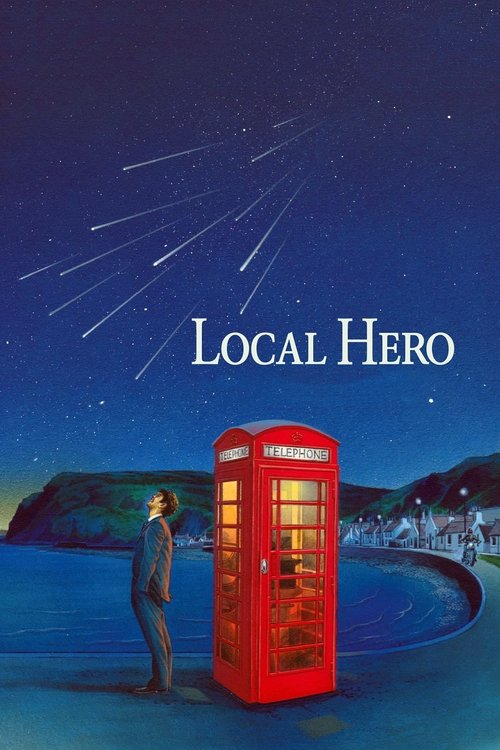
Local Hero
1983
No user ratings available yet
Representation score: 3.0 out of 10
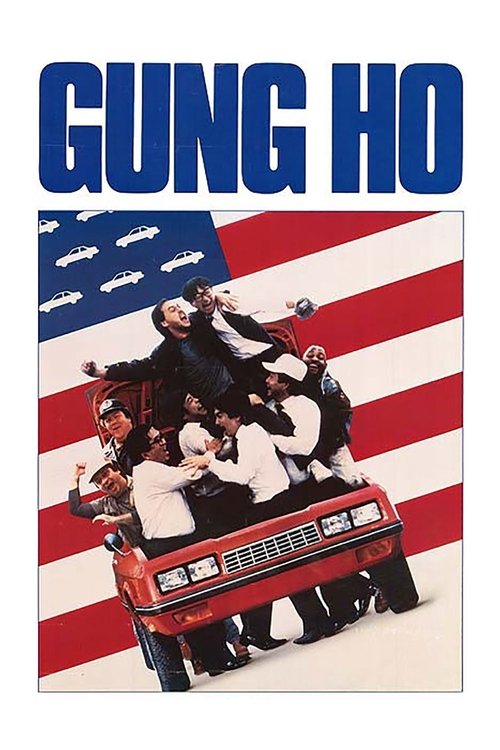
Representation Score
Limited
1986
PG-13Director
Ron Howard
Runtime
111 minutes
Average Rating
No ratings yetNew Showbiz Analysis
Gung Ho primarily examines economic anxiety and the clash of global value systems. Its strength lies in critiquing Western industrial dominance while lacking depth in gender and LGBTQ+ representation. The film highlights the threat of international economic shifts to traditional American life and questions the impact of capitalist dehumanization on society.
Category Breakdown
The film follows strict 1980s social norms and does not include any LGBTQ+ characters or identities.
Female characters are mostly confined to domestic roles and serve as emotional support for male characters rather than driving the main plot.
The film includes Japanese executives in key positions, highlighting the tension between cross-cultural integration and occasional reliance on cultural differences for conflict.
It critiques globalization by contrasting American individualism with Japanese collectivism, questioning whether efficiency justifies sacrificing community and family stability.
There is no representation of physical, neurodivergent, or mental health disabilities among the characters.
Present on Screen
Limited or Absent
Official Synopsis
When a western Pennsylvania auto plant is acquired by a Japanese company, brokering auto worker Hunt Stevenson faces the tricky challenge of mediating the assimilation of two clashing corporate cultures. At one end is the Japanese plant manager and the sycophant who is angling for his position. At the other, a number of disgruntled long-time union members struggle with the new exigencies of Japanese quality control.
1983
2000
1994
1987
1994
1979

1999

1999
No reviews yet. Be the first to share your thoughts on this movie!
Use the rating form above to leave a star rating and optional review.