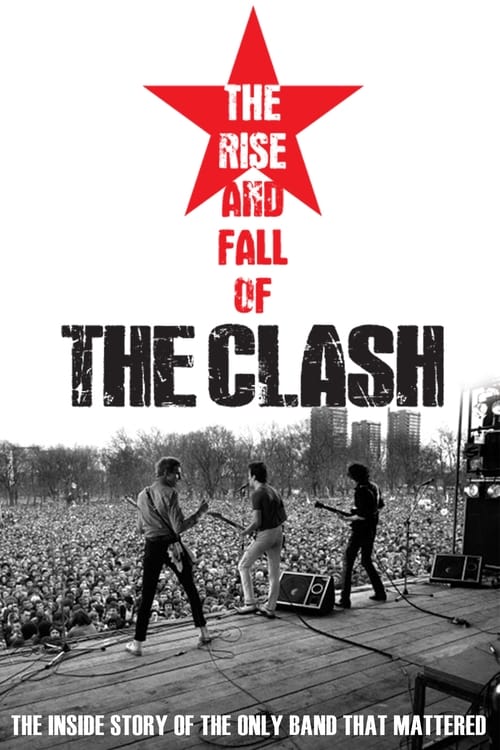
The Clash: The Rise and Fall of The Clash
2012
No user ratings available yet
Representation score: 7.0 out of 10
Representation Score
Good
2015
Director
Wes Orshoski
Runtime
107 minutes
Average Rating
No ratings yetNew Showbiz Analysis
This documentary serves as a crucial historical record of the UK punk movement, capturing the essence of rebellion and the subversion of traditional authority. However, its demographic focus is limited by the historical context of the 1970s punk scene, resulting in a narrow focus on a white, Anglo-Saxon musical landscape. The film lacks explicit exploration of specific identity politics but excels in documenting the complexities of human behavior and resilience in the face of adversity.
Category Breakdown
The film explores a punk environment historically tied to queer liberation but focuses on biographical history rather than explicitly addressing LGBTQ+ identities.
Influential figures like Chrissie Hynde challenge the traditionally male-dominated punk scene, highlighting women's significant roles in driving the story.
The narrative centers on a predominantly white, Anglo-Saxon musical movement. Despite a global scope, the core subject matter reflects the demographics of 1970s UK punk.
The documentary effectively portrays the band's outsider status as a form of empowerment against traditional social structures, emphasizing anti-establishment values and rebellion.
The film realistically and resiliently depicts band members' struggles with serious health issues, including cancer, without resorting to pure sentimentality.
Present on Screen
Limited or Absent
Official Synopsis
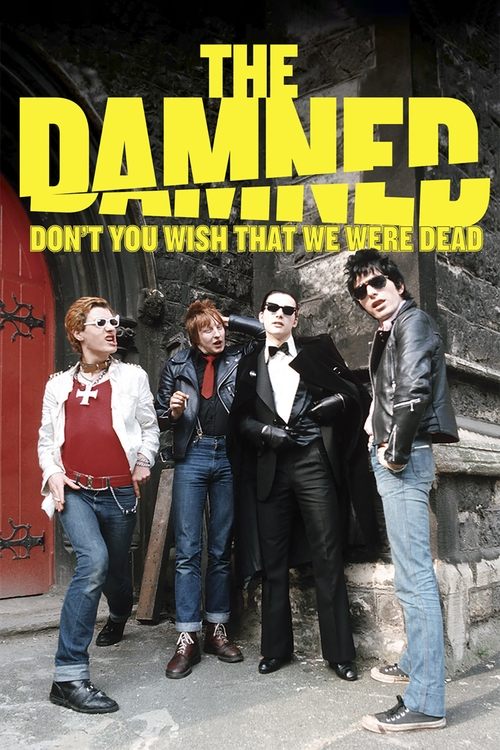
From Lemmy filmmaker Wes Orshoski comes the story of the long-ignored pioneers of punk: The Damned, the first U.K. punks on wax and the first to cross the Atlantic. This authorized film includes appearances from Chrissie Hynde, Mick Jones (The Clash), Lemmy and members of Pink Floyd, Black Flag, GNR, the Sex Pistols, Blondie, Buzzcocks, and more. Shot around the globe over three years, the film charts the band's complex history and infighting, as it celebrated its 35th anniversary and found its estranged former members striking out on their own anniversary tour, while still others battle cancer.
2012
1981
2007

2016
2015
2010
2015
2010
No reviews yet. Be the first to share your thoughts on this movie!
Use the rating form above to leave a star rating and optional review.