
The Lady Without Camelias
1953
No user ratings available yet
Diversity score: 4.7 out of 10
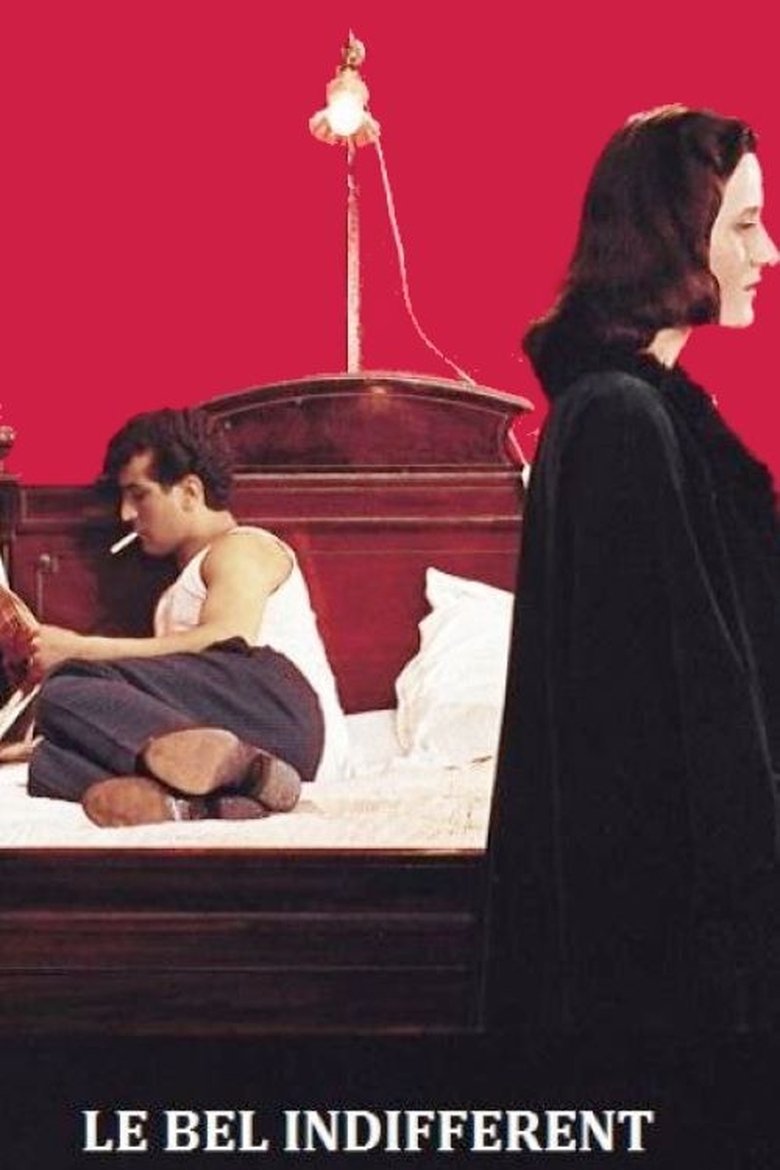
1958
Director
Jacques Demy
Runtime
28 minutes
Average Rating
No ratings yetSynopsis
An adaptation of Jean Cocteau's play of a woman lecturing her indifferent lover.
Overall Score
Limited
Category Breakdown
LGBTQ+ Representation
The film engages with unconventional desire and fluid emotional landscapes derived from Cocteau's play. However, it lacks explicit depictions of same-sex intimacy or non-cisnormative identities.
Gender Representation
The narrative disrupts traditional hierarchies by positioning the female protagonist as the primary driver of emotional confrontation. This shifts agency away from the male counterpart, challenging passive female tropes.
Racial & Ethnic Diversity
The production reflects the homogeneous social landscape of mid-century French cinema. There is no evidence of a non-Anglo-Saxon majority cast or intentional racial blending.
Religious & Cultural Diversity
The film explores subjective morality and emotional relativism through its central theme of indifference. It favors individual psychological truth over traditional, singular moralities.
Disability Representation
There is no evidence of characters with visible or invisible disabilities within the film's narrative or historical record.
Strengths
Areas for Improvement
AI Analysis
Le Bel Indifférent functions as a character study centered on interpersonal power dynamics and emotional detachment. While it challenges certain gendered communication patterns by centering a woman's voice, it remains largely constrained by the demographic norms of 1958. The film's strength lies in its departure from rigid heteronormative structures through its source material's focus on fluid emotional landscapes. However, it lacks the explicit agency and intersectional representation necessary for a higher diversity rating. Ultimately, the work reflects a specific era of French literary tradition, prioritizing philosophical and psychological depth over demographic variety.
1953

1975

1975
1983
1961

1960
2001
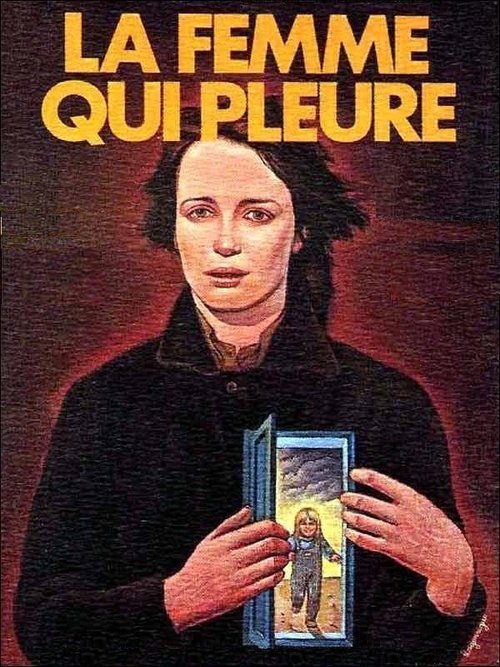
1979

1959

1989

1961

1966
No reviews yet. Be the first to share your thoughts on this movie!
Use the rating form above to leave a star rating and optional review.