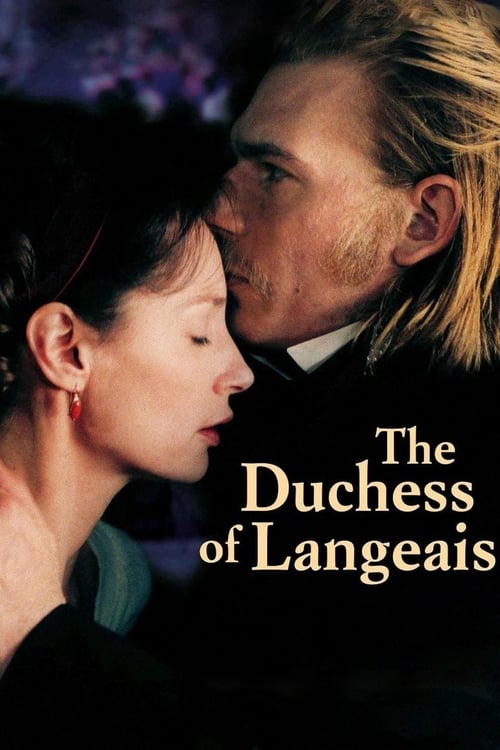
The Duchess of Langeais
2007
No user ratings available yet
Representation score: 4.9 out of 10
Representation Score
Limited
2003
Not RatedDirector
Jacques Rivette
Runtime
150 minutes
Average Rating
No ratings yetNew Showbiz Analysis
Jacques Rivette’s drama is a nuanced character study that emphasizes psychological depth over broad demographic representation. Its primary strength lies in its subversion of 19th-century gender hierarchies and its critique of religious authority. While the film excels at showing how institutions like the Church limit personal freedom, it remains a localized, historically specific study. The absence of LGBTQ+ and racial diversity narrows its scope to a traditional Western framework. Ultimately, the film explores individual ability to act against systemic pressures, finding its progressive edge through intellectual and moral complexity rather than diverse casting.
Category Breakdown
The film centers on the heterosexual relationship between Marie and Julien. It does not include characters with non-binary genders or narratives that question heterosexuality through a queer perspective.
Marie is shown to have significant intellectual independence and emotional control. The story challenges typical period piece clichés by giving her a psychological depth separate from Julien's journey.
Set in 19th-century France, the cast is mainly white. The film focuses on French social dynamics without including diverse ethnic viewpoints.
The story provides a sophisticated look at the Catholic Church. It examines the conflict between personal passion and religious doctrine, emphasizing individual morality over institutional rules.
The film does not feature characters with visible or invisible disabilities. Disability is not used as a narrative device in this story.
Present on Screen
Limited or Absent
Official Synopsis
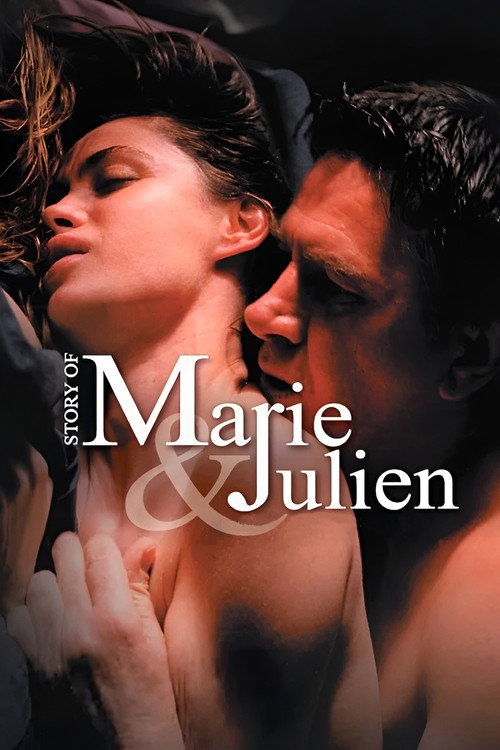
Julien is a clockmaker with destructive impulses who decides to blackmail Madame X, a rich, attractive woman who traffics in stolen antiques. What he doesn’t know is that she has an even more dangerous secret that leads him to Marie, with whom he had fallen in love a year earlier.
2007
1945
2007
2014
2001
1980
2004
1951
No reviews yet. Be the first to share your thoughts on this movie!
Use the rating form above to leave a star rating and optional review.