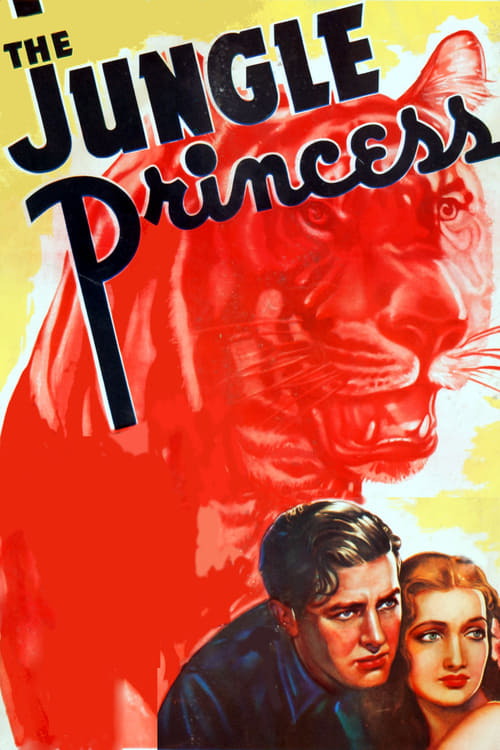
The Jungle Princess
1936
No user ratings available yet
Representation score: 0.5 out of 10

Representation Score
Minimal
1953
NRDirector
Budd Boetticher
Runtime
82 minutes
Average Rating
No ratings yetNew Showbiz Analysis
East of Sumatra adheres to the traditional adventure and Western genre conventions of the 1950s. The narrative structure prioritizes Western control and resource extraction, aligning with colonial-era storytelling. While the film includes non-Western characters and settings, these elements primarily support the protagonist's journey. The diversity in the film serves the genre rather than driving thematic exploration, reinforcing established social hierarchies of the time.
Category Breakdown
The film does not include any LGBTQ+ characters or those with non-cisgender identities. Romantic tension revolves around traditional heterosexual relationships involving the main character and his female interests.
Female characters such as Minyora and Lory play key roles in driving the plot but mainly serve as romantic catalysts for the male lead. The story upholds mid-20th century gender roles and emphasizes masculine control over the narrative.
The setting showcases local rulers and native characters, offering ethnic variety. However, the narrative centers on a Western manager coming to exploit local resources, reflecting colonial-era themes.
The story follows typical colonial adventure clichés centered on Western expansion. Local customs and leadership are used to create plot conflict rather than to critique Western influence.
The film does not depict any visible or invisible disabilities. There are no characters identified as having specific physical or neurodivergent needs.
Present on Screen
Limited or Absent
Official Synopsis
Duke Mullane, manager of a Malayan tin mine, goes to a little-known island to open a new mine in the jungle. Initially, the natives there are friendly, especially dancer Minyora...who proves to be affianced to local ruler King Kiang. Alas, a series of unfortunate incidents changes Kiang's attitude to hostility, and Duke is stranded with his crew, Minyora, and his old flame Lory...who's now engaged to his boss!
1936
1959

1963

1954
1950
1959
1964
1950
No reviews yet. Be the first to share your thoughts on this movie!
Use the rating form above to leave a star rating and optional review.