
Respite
2007
No user ratings available yet
Representation score: 3.3 out of 10
Representation Score
Good
1980
Director
Samy Szlingerbaum
Runtime
82 minutes
Average Rating
No ratings yetNew Showbiz Analysis
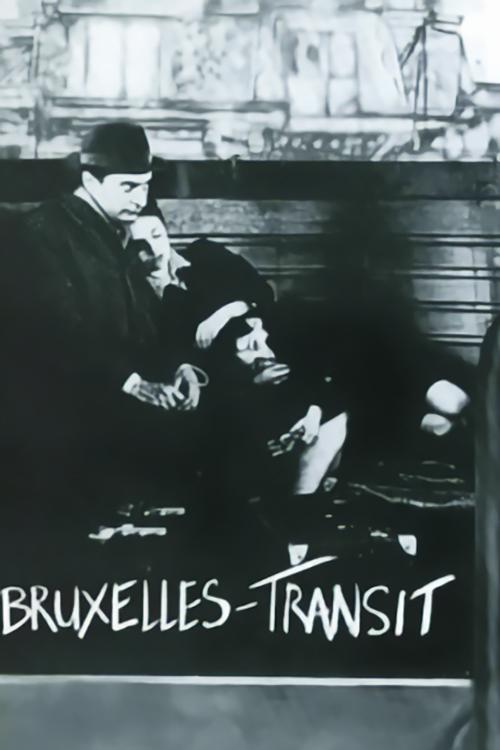
Brussels-Transit is a powerful act of cultural preservation that uses Yiddish to reclaim a underrepresented linguistic identity. By blending experimental cinema with personal family history, the film explores the complexities of survival and identity beyond simple victimhood. The film excels in its ethnic and cultural centering, offering a critique of Western geopolitical structures. However, its narrow focus on ethnic displacement leaves little room for exploring gender dynamics or LGBTQ+ identities. The narrative's strength lies in its cultural specificity rather than its breadth of social representation.
Category Breakdown
The film does not include any explicit LGBTQ+ characters or explore non-straight relationships. Its focus is on the displacement of Jewish families after World War II.
The film does not delve into specific gender dynamics within the family unit. Instead, it emphasizes the communal and ethnic struggles for refuge.
The film centers the postwar Jewish diaspora by using the Yiddish language. This choice breaks from mainstream Anglo-centric cinema and highlights the ability to act of displaced populations.
The film serves as cultural resistance against assimilation by emphasizing Yiddish. It portrays the loss of home as a systemic issue stemming from the postwar European geopolitical order.
There are no characters with visible or invisible disabilities featured in the film.
Present on Screen
Limited or Absent
Official Synopsis
A family of Polish-Jewish refugees arrives in Brussels in 1947 to navigate the challenges of postwar survival. Guided by a maternal voice-over, the narrative tracks their daily struggles with poverty, housing, and obtaining legal residency permits. Through staged, static tableaus, the film records these everyday bureaucratic and living conditions.
2007
1998
1967
2021

2018
2014

1992
2014
No reviews yet. Be the first to share your thoughts on this movie!
Use the rating form above to leave a star rating and optional review.