
The Playboy of the Western World
1962
No user ratings available yet
Diversity score: 4.7 out of 10
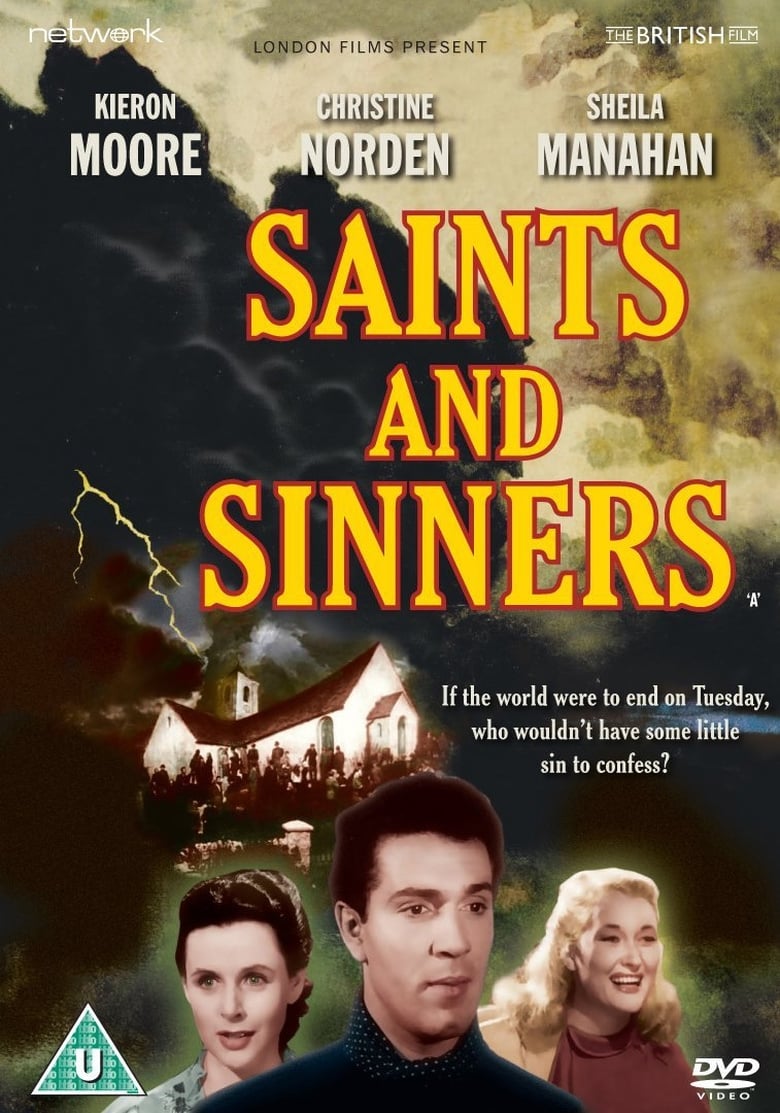
1949
ApprovedDirector
Leslie Arliss
Runtime
87 minutes
Average Rating
No ratings yetSynopsis
What happens to the saints and sinners of a small Irish village on the day the world is supposed to end.
Overall Score
Limited
Category Breakdown
LGBTQ+ Representation
The film contains no visible or implied LGBTQ+ characters. The social landscape remains strictly defined by the heteronormative standards of a 1949 rural setting.
Gender Representation
The narrative centers on female agency through a female-led secret society. Margaret Lockwood’s independent protagonist challenges established social orders and drives the plot through active social maneuvering.
Racial & Ethnic Diversity
The cast is predominantly white and homogeneous, reflecting the film's localized Irish village setting. There is no evidence of intentional racial diversity or color-blind casting.
Religious & Cultural Diversity
The story offers a critique of religious hypocrisy and institutionalized morality. It explores the tension between communal dogma and individual freedom through the lens of village gossip.
Disability Representation
There are no discernible portrayals of physical, sensory, or neurodivergent disabilities within the primary character arcs.
Strengths
Areas for Improvement
AI Analysis
Saints and Sinners is a period piece that prioritizes social critique over modern demographic intersectionality. While it lacks racial and LGBTQ+ diversity, it finds strength in its subversion of gender roles and institutional authority. The film succeeds in presenting women as active agents rather than passive supporting characters. This focus on female-driven social dynamics provides a progressive counterpoint to the era's typical cinematic tropes. However, the narrow focus on a homogeneous, rural setting limits its broader representation. The film remains a localized study of morality rather than a diverse communal portrait.
1962

2020

2012

1959
1972

1975

1982
1936
2003

1977

1949
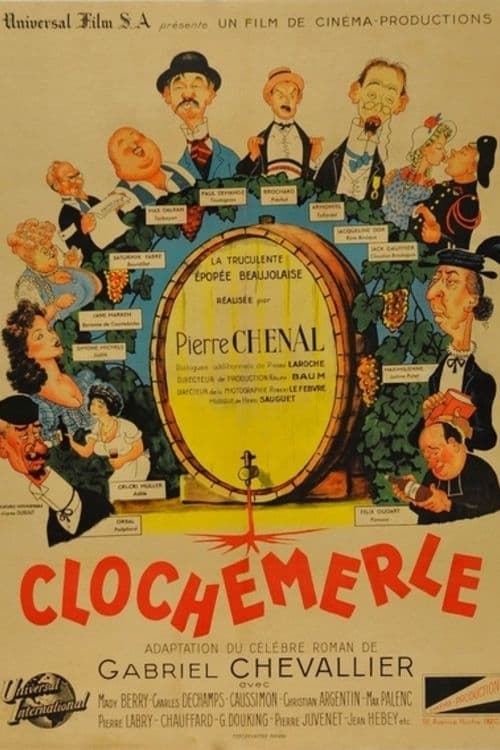
1948
No reviews yet. Be the first to share your thoughts on this movie!
Use the rating form above to leave a star rating and optional review.