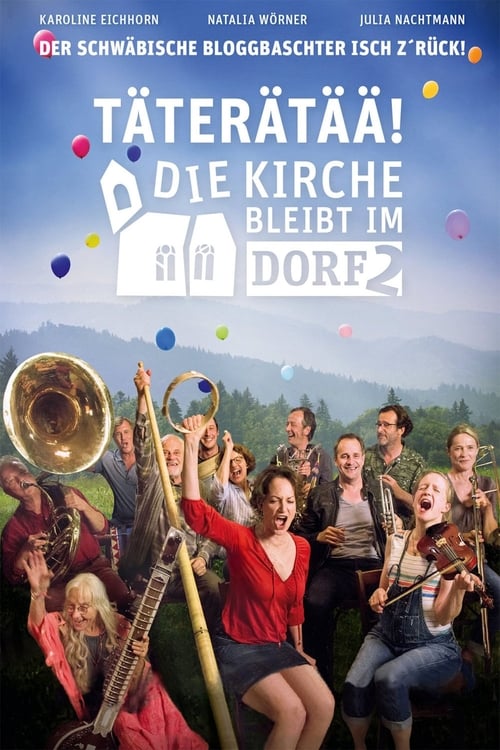
Täterätää - Die Kirche bleibt im Dorf 2
2015
No user ratings available yet
Representation score: 1.4 out of 10
Representation Score
Minimal
2012
Director
Ulrike Grote
Runtime
85 minutes
Average Rating
No ratings yetNew Showbiz Analysis
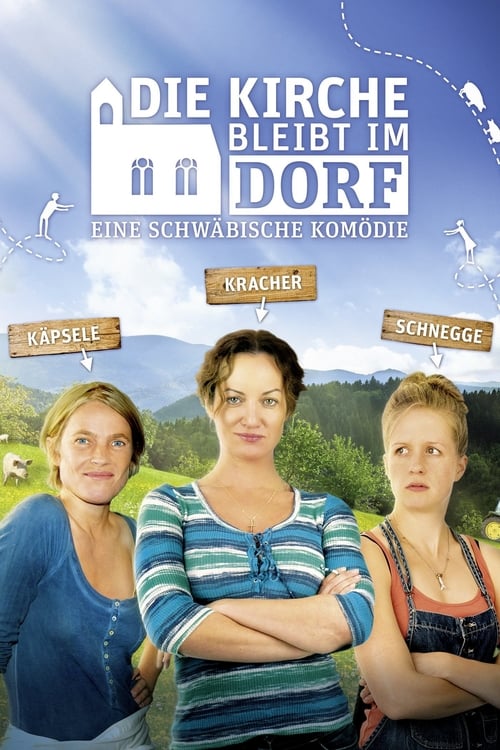
Die Kirche bleibt im Dorf is a localized study of community conflicts set within a specific European rural tradition. It focuses on the resilience of family and church structures against political instability rather than challenging Western institutions. The film offers meaningful roles for female characters, yet the narrative remains rooted in a conventional, historically specific social framework. This emphasis on domestic strength does not compensate for the lack of broader diversity. Ultimately, the film's limited demographic diversity and absence of non-traditional identity narratives result in a score that reflects its historical realism and traditional social setting.
Category Breakdown
The film does not include any LGBTQ+ characters or stories. The social environment stays strictly traditional, emphasizing established community and family ties.
Women are shown as the main drivers of moral and family continuity. The story highlights female influence in the home when male authority is weakened.
The cast is predominantly uniform, reflecting the specific historical and geographical context of rural Swabia. There is a lack of diverse racial or ethnic backgrounds.
The story examines the tension between religious institutions and the state. It highlights the conflict between personal beliefs and the demands of a totalitarian regime.
There is no representation of physical or neurodivergent disabilities among the main characters or throughout the plot.
Present on Screen
Limited or Absent
Official Synopsis
Green meadows, blue sky in Swabia: Actually, the world of the two villages Oberrieslingen and Unterrieslingen should be in perfect order. But she is not. Why? Because the two hostile villages have had to share a church and a cemetery since the Middle Ages, which has caused squabbles and squalor to this day.
2015
1967
2022
1952
1998
1974
1998

1978
No reviews yet. Be the first to share your thoughts on this movie!
Use the rating form above to leave a star rating and optional review.