
Terrified
1963
No user ratings available yet
Representation score: 2.6 out of 10
Representation Score
Minimal
1961
Director
George Harrison Marks
Runtime
5 minutes
Average Rating
No ratings yetNew Showbiz Analysis
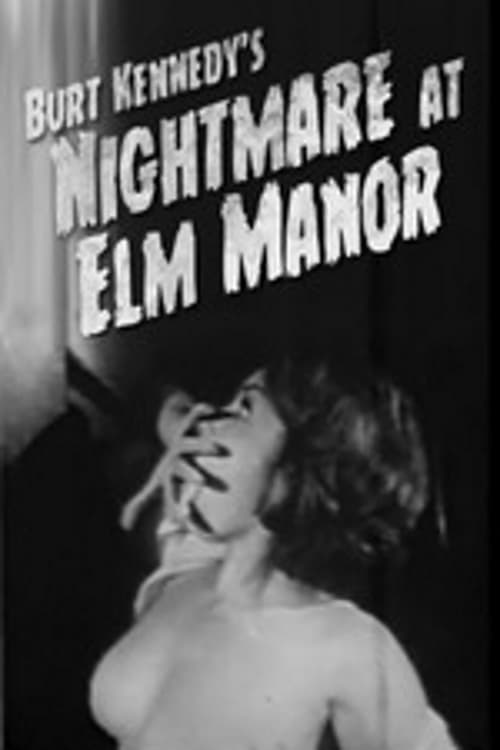
Nightmare at Elm Manor is a product of its era, relying heavily on the exploitation clichés of early 1960s horror. The central conflict between a crazed butler and a semi-clad woman reinforces narrow, traditional power dynamics rather than offering nuanced character studies. The film fails to engage with diverse identities, presenting a narrative that is largely homogeneous and oriented towards straight relationships. It prioritizes genre-standard archetypes over any meaningful exploration of race, sexuality, or cultural complexity. Ultimately, the production adheres to the demographic norms of its time, offering little to no challenge to established social hierarchies.
Category Breakdown
The film does not include any queer narratives or characters with non-straight identities. The plot centers on a traditional power dynamic focused on gendered voyeurism.
The story relies on outdated hierarchies, placing the female protagonist in a passive role. She has little control over events compared to the male antagonist's actions.
The cast appears homogeneous, typical of 1960s Western cinema. There are no characters of color with significant roles.
The story follows a conventional mid-century horror framework. It lacks broader commentary on systemic oppression or diverse cultural perspectives.
There is no mention of neurodivergent characters or physical disabilities. The butler's 'crazed' state is described vaguely.
Present on Screen
Limited or Absent
Official Synopsis
A crazed butler harasses a semi-clad woman in a hotel.
1963
1964
1996
1970
1965

1961
2016
1946
No reviews yet. Be the first to share your thoughts on this movie!
Use the rating form above to leave a star rating and optional review.