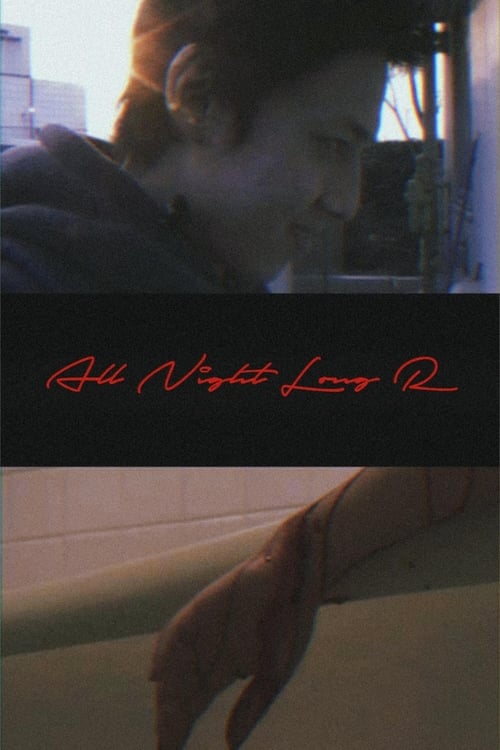
All Night Long R
2002
No user ratings available yet
Diversity score: 2.8 out of 10

1996
Director
Katsuya Matsumura
Runtime
83 minutes
Average Rating
No ratings yetSynopsis
A bellboy stalks a woman who frequents the hotel where he works.
Overall Score
Minimal
Category Breakdown
LGBTQ+ Representation
The film lacks any evidence of non-cisnormative identities or same-sex intimacy. The narrative focuses entirely on a singular, predatory pursuit.
Gender Representation
The story relies on traditional gendered power dynamics common in horror. The female protagonist serves as a target, reinforcing tropes of vulnerability rather than agency.
Racial & Ethnic Diversity
As a 1996 Japanese production, the film likely reflects the demographic homogeneity of its domestic market. There is no evidence of multicultural casting.
Religious & Cultural Diversity
The plot prioritizes localized suspense over socio-political critique. It shows no engagement with broader cultural deconstruction or systemic social commentary.
Disability Representation
There is no indication that neurodivergence or physical disabilities are integrated into the character arcs. No nuanced representation of mental health is present.
Strengths
Areas for Improvement
AI Analysis
All Night Long 3: The Final Chapter operates as a conventional horror piece, prioritizing genre-standard tension and suspense tropes. The narrative architecture centers on a predatory dynamic between a bellboy and a hotel guest, which follows established cinematic patterns rather than exploring diverse identity frameworks. The film lacks intersectional depth, focusing instead on a singular interpersonal conflict. It does not attempt to subvert social hierarchies or engage with broader socio-political themes, remaining firmly within the bounds of late-90s genre cinema.
2002

2009
1995
2005

1983
2008
2018
1988
1965
2006
2006

2011
No reviews yet. Be the first to share your thoughts on this movie!
Use the rating form above to leave a star rating and optional review.