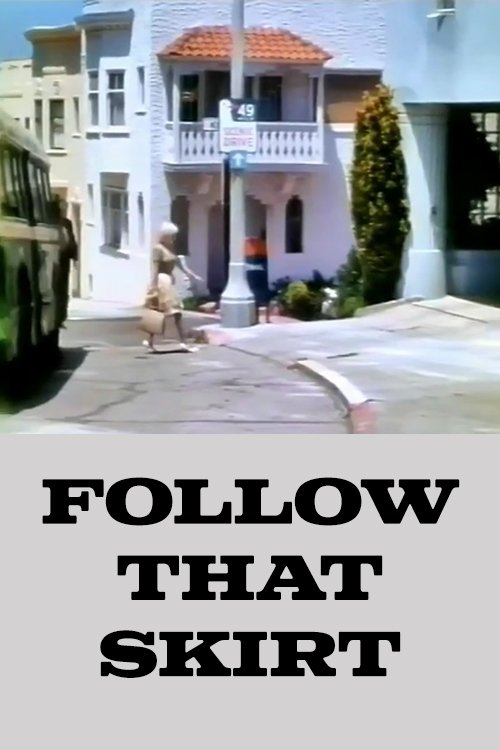
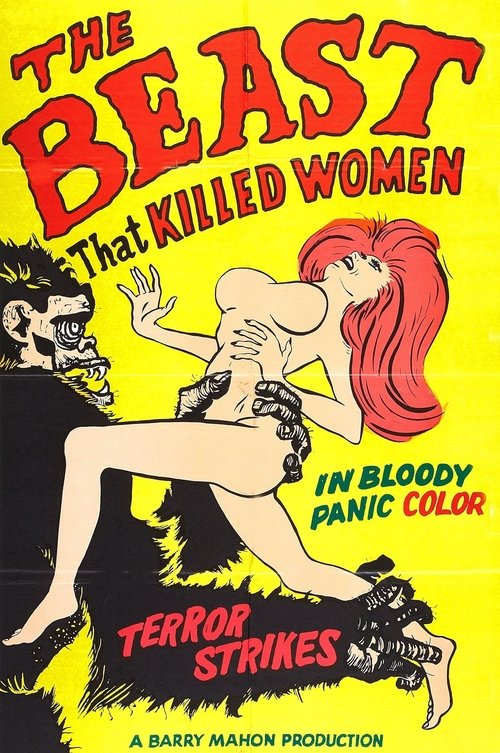
Follow That Skirt
1965
No user ratings available yet
Representation score: 1.5 out of 10
Representation Score
Minimal
1965
UnratedDirector
Barry Mahon
Runtime
61 minutes
Average Rating
No ratings yetNew Showbiz Analysis
This film is a product of the 1960s exploitation market, emphasizing genre-specific thrills over social complexity. Its narrative structure depends on established clichés, such as the victimization of female characters, to meet the commercial expectations of the time. Representation is limited across all categories. The film adopts a traditional approach to character development, offering no challenges to social hierarchies or explorations of diverse identities. It functions as a typical creature feature without social commentary.
Category Breakdown
The film does not include any LGBTQ+ characters or narratives. It sticks closely to the social norms of the 1960s without exploring queer identities.
Women are mainly portrayed as victims within a classic horror setting. They are passive recipients of the antagonist's actions rather than active participants.
The cast appears uniform, reflecting the typical casting practices of mid-1960s American exploitation films. There is no indication of significant characters of color or intentional racial diversity.
The story unfolds within a traditional Western context set in Miami. It avoids critical or moral relativistic themes, focusing on a straightforward survival narrative.
The film does not feature any characters with visible or invisible disabilities. It does not address neurodivergence or physical disabilities as part of its narrative.
Present on Screen
Limited or Absent
Official Synopsis
Panic and fear strike the hearts of the terrorised sun-kissed nudist girls of a once peaceful nudist resort in sun-bleached Miami, when a mysterious, yet menacing intruder manages to find his way in the camp.
1965

1973
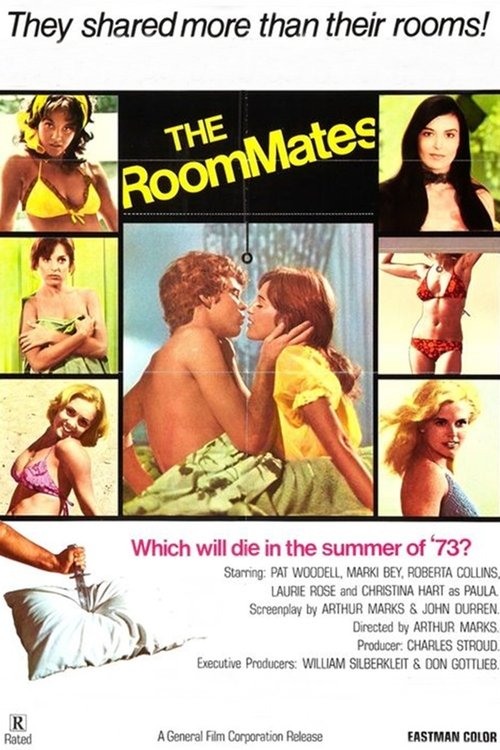
1973

1970

1963
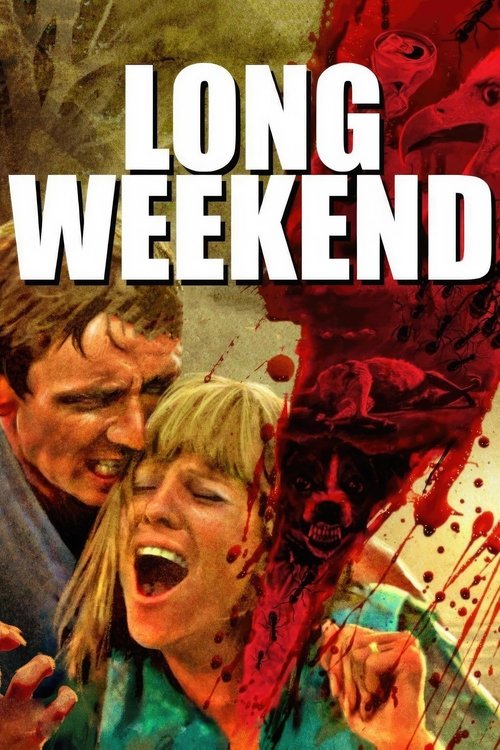
1979
1982
1983
No reviews yet. Be the first to share your thoughts on this movie!
Use the rating form above to leave a star rating and optional review.