Beauty Is Embarrassing
2012
No user ratings available yet
Representation score: 7.3 out of 10
Representation Score
Fair
1987
Runtime
55 minutes
Average Rating
No ratings yetNew Showbiz Analysis
The documentary functions as a psychological examination of an artist rather than a broad survey of diverse identities. It excels at deconstructing social norms and exploring the complexities of mental health and cultural alienation. However, the film remains centered around a controversial perspective. It often engages with traditional racial and gendered stereotypes through the subject's art rather than actively challenging them with diverse viewpoints. Ultimately, the work focuses on the 'outsider' status. It prioritizes the exploration of the artist's neuroses over the representation of underrepresented communities.
Category Breakdown
The film does not focus on LGBTQ+ identities or non-cisgender expressions. Instead, it looks at individual sexual behaviors that go against societal norms.
The movie heavily centers on Crumb’s controversial depictions of women. It delves into gendered power dynamics and the objectification of women through a singular, often problematic, male viewpoint.
The film’s representation is limited to analyzing Crumb’s use of racial caricatures. It studies these stereotypes within the context of underground comics rather than offering diverse character portrayals.
The documentary criticizes traditional Western institutions and religious upbringing. It examines the decline of Sixties subculture and the rejection of mainstream American consumerism.
The film provides a detailed look at neurodivergence and mental health issues. It documents Crumb’s nervous breakdown and struggles with social isolation with significant depth.
Present on Screen
Limited or Absent
Official Synopsis
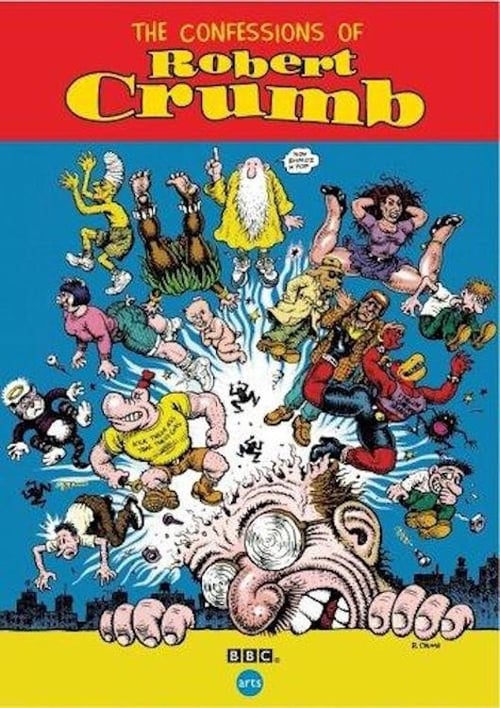
In 1987, Robert Crumb presents himself: raised by a Marine father, educated in Catholic schools, married at 21 in Cleveland where he worked for a greeting card company, dropping acid in 1965, heading to San Francisco and getting in on the formation of Zap Comix, gaining celebrity, loving old time jazz, starting a band, living in a commune, meeting Aline Kominsky who became his second wife and his partner in art, having a daughter, and developing a more realistic drawing style. The confessions include his loneliness, his obsessions with women, his bewilderment by fame, his sense of the disintegration of Sixties' subculture, his nervous breakdown in 1973, and his peace now.
2012
1995

2022

2017

2021
2006
1996

2008
No reviews yet. Be the first to share your thoughts on this movie!
Use the rating form above to leave a star rating and optional review.