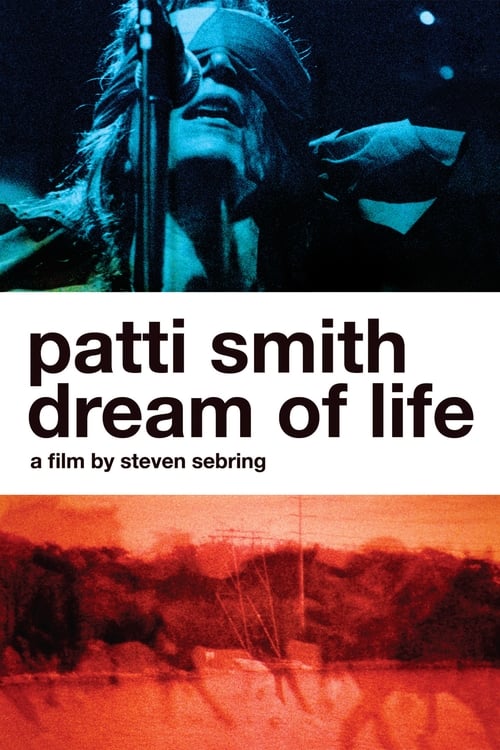
Patti Smith: Dream of Life
2008
No user ratings available yet
Representation score: 8.7 out of 10
Representation Score
Excellent
2022
Director
Sophie Peyrard, Anne Cutaia
Runtime
54 minutes
Average Rating
No ratings yetNew Showbiz Analysis
The documentary excels at showcasing individual ability to act and the subversion of traditional social and religious hierarchies. It frames non-conformity as a crucial part of artistic evolution rather than just a biographical detail. By focusing on Smith's intellect and poetic depth, the film effectively challenges the male-dominated history of the music industry. It replaces the typical hero's journey with a model of identity-driven, subversive creativity. While the film provides a rich multicultural context, it remains primarily a personal study. It offers significant depth regarding gender and cultural rebellion but is less explicit about specific disability advocacy.
Category Breakdown
The film captures the 1970s New York punk scene, which played a key role in the development of queer identity. It highlights figures who challenged traditional gender and sexual norms.
Focusing on Patti Smith, the film disrupts the traditional hierarchy of the music industry that has favored men. Smith is shown as a leader of a cultural movement with significant musical influence.
The documentary reflects the diverse ethnic backgrounds of the New York underground scene. It showcases the convergence of various cultures during the CBGB era through archival footage.
The narrative explores Smith's transition away from her Jehovah's Witness upbringing as a means of liberation. It critiques the rigid structures of capitalism and societal norms.
The film touches on the psychological experience of feeling like an outsider through Smith's childhood experiences. However, it does not depict managed disabilities directly.
Present on Screen
Limited or Absent
Official Synopsis
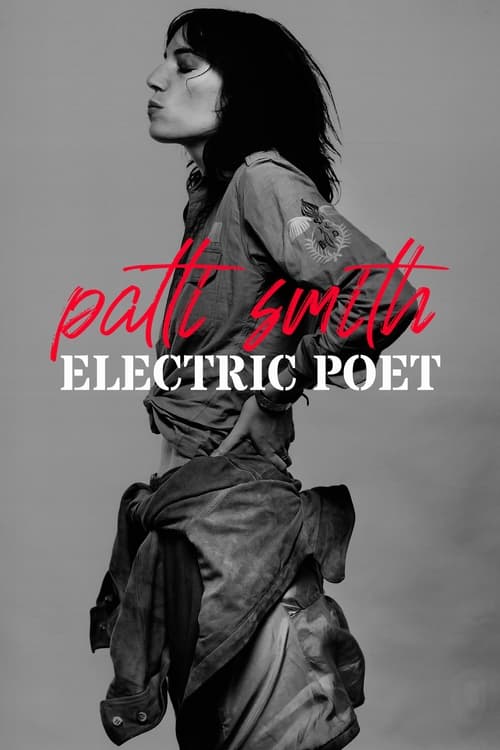
At the age of 20, Patti Smith arrives in New York and upsets the codes of rock, poetry, and genre. She has become a living legend without ever leaving the sidelines. A poet, actress, and musician. Also militant. An artist with a thousand lives, now 74 years old. The documentary follows the course of Patti Smith's life. Childhood first, and the artist who says: "I wanted to be someone special. I felt distant. Not just from other children, I felt far from the whole world. I spent my childhood in think I was an alien. " Little Patti grew up in rural New Jersey and received a religious education from her Jehovah's Witness mother. But Patti Smith leaves the movement, which does not suit her artistic inclinations.
2008
2014
1995
2021
2018
2018
2017
2017
No reviews yet. Be the first to share your thoughts on this movie!
Use the rating form above to leave a star rating and optional review.