
Ostia
1987
No user ratings available yet
Representation score: 6.1 out of 10
Representation Score
Good
1998
Director
Aurelio Grimaldi
Runtime
77 minutes
Average Rating
No ratings yetNew Showbiz Analysis
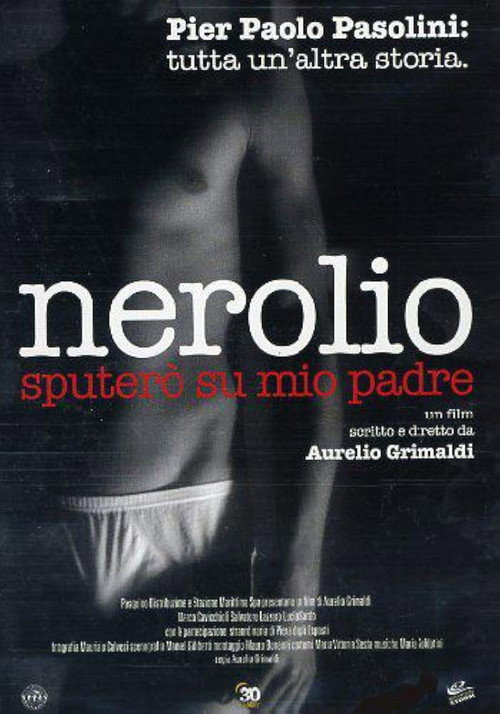
Nerolio is a sophisticated biographical study that uses a fragmented vignette structure to explore the life of Pier Paolo Pasolini. By centering on a non-conformist intellectual, the film examines how identity intersects with systemic vulnerability. The film excels in its nuanced portrayal of queer identity and its sophisticated deconstruction of traditional social hierarchies. However, its focus on a specific historical Italian context limits broader racial and gender diversity.
Category Breakdown
The film focuses on the experiences of a homosexual protagonist, avoiding stereotypes by emphasizing intellectual and poetic aspects of queer desire and social conflict.
The narrative operates within a male-dominated sphere typical of its historical context. It challenges traditional masculine hierarchies by showing power through intellect rather than physical dominance.
The story is set in specific Italian locations such as Sicily and Rome. It highlights internal social divisions and regional differences within Italy.
The film examines the tension between personal truth and systemic oppression. It critiques traditional power structures by focusing on a figure at odds with religious and political establishments.
No visible or invisible disabilities are central to the character arcs or plot progression.
Present on Screen
Limited or Absent
Official Synopsis
This film depicts three episodes in the life of the highly eccentric, unabashedly homosexual Italian filmmaker Per Paolo Pasolini. Pasolini was best known to Americans for his film The Gospel According to St. Matthew. However, in his native Italy, he was at least as well known for his writing and poetry as for his filmmaking. In the first episode, Pasolini (Marco Cavicchioli) waxes poetic about the beauty of young men during a visit to Sicily. The second and more interesting segment concerns a meeting with a young man who visits Pasolini thinking that though he is an old has-been, Pasolini may be able to do him a favor. Pasolini twigs to the boy's intentions, and a sparring session ensues. The final episode shows him picking up a young man at Rome's train station and the events that led to his beating death in 1975.
1987
1961

2014

1969
2009

1987

2003
1996
No reviews yet. Be the first to share your thoughts on this movie!
Use the rating form above to leave a star rating and optional review.