Jasmina
2010
No user ratings available yet
Representation score: 5.9 out of 10
Representation Score
Good
2001
Director
Handan İpekçi
Runtime
115 minutes
Average Rating
No ratings yetNew Showbiz Analysis
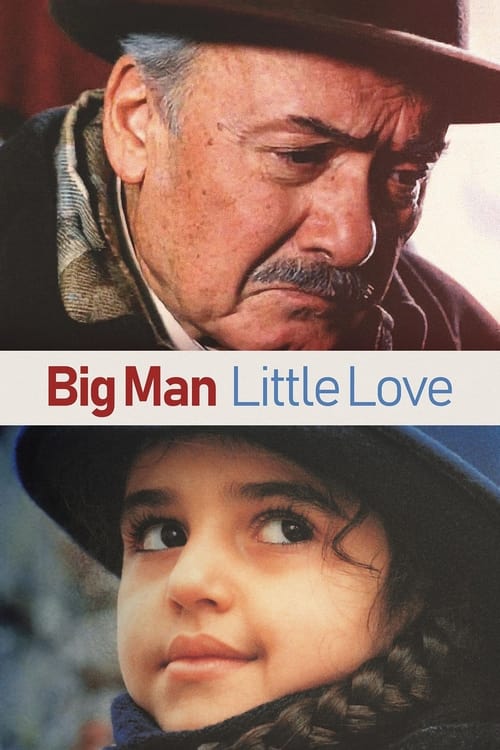
Big Man, Little Love is a sophisticated piece of social realism that uses a small-scale human drama to address large-scale systemic issues. By centering a Kurdish child's survival within a Turkish domestic setting, the film disrupts homogeneous nationalistic storytelling. The narrative's strength lies in its ability to challenge the perceived legitimacy of state authority. It moves beyond simple character study to offer a nuanced critique of how state structures impact underrepresented communities. While the film excels in ethnic and cultural representation, it lacks engagement with LGBTQ+ identities or disability representation. The focus remains strictly on the friction between state power and ethnic identity.
Category Breakdown
The film focuses on intergenerational companionship and ethnic tension but does not include any LGBTQ+ identities or non-straight relationships.
The story centers on a male protagonist named Rıfat, but his rigid masculine identity is challenged through emotional vulnerability and his connection with a child.
The narrative provides deep insight by focusing on the Kurdish experience. Hêjar’s role as a survivor of a police raid highlights the central driver of the plot.
The film critiques state institutions by portraying the police apparatus as a source of trauma. It emphasizes empathy for underrepresented outsiders over institutional neutrality.
There is no information available regarding the depiction of physical or neurodivergent disabilities in this work.
Present on Screen
Limited or Absent
Official Synopsis
An orphaned Kurdish child (Hêjar) and a Turkish pensioner (Rıfat) are thrown together by circumstance. Rıfat, a widowed retired judge, refuses to get involved in politics. He is forced out of his solitude, when Hêjar the only survivor of a police raid on his Kurdish neighbors, takes refuge at his home. Gradually, he warms up to the kid and decides to reunite her with her family.
2010
1994
2013
1982

2021

1997
1992

2011
No reviews yet. Be the first to share your thoughts on this movie!
Use the rating form above to leave a star rating and optional review.