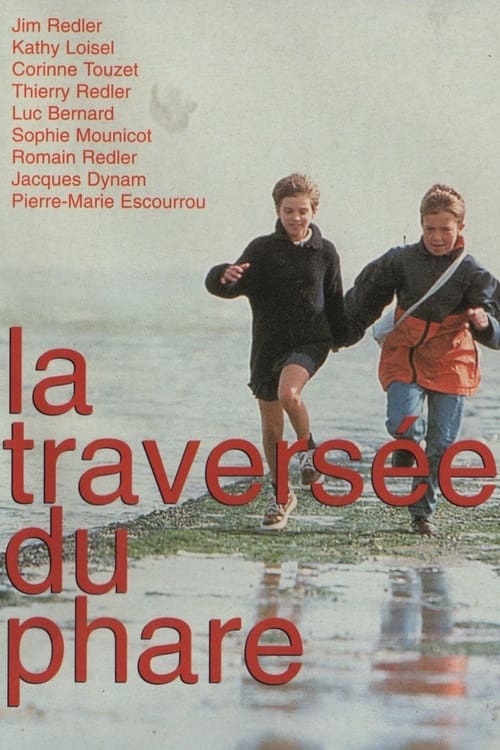
Crossing the Lighthouse
1999
No user ratings available yet
Representation score: 5.6 out of 10
Representation Score
Limited
2001
Director
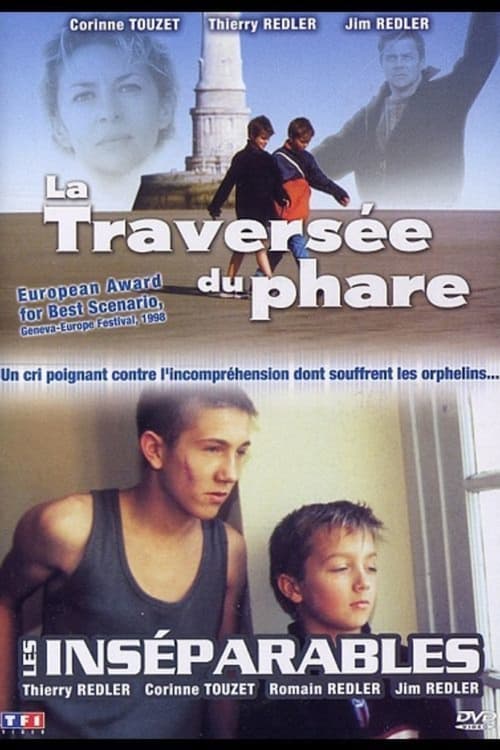
Thierry Redler
Runtime
90 minutes
Average Rating
No ratings yetNew Showbiz Analysis
Inseparable is a character-driven drama that highlights the socio-economic struggles of children in the foster care system. It does not delve deeply into identity-based representation. Instead, it challenges the sanctity of the traditional family unit by emphasizing the instability of institutional care. However, the film lacks multi-layered depth. It focuses on socioeconomic status and institutional context rather than exploring diverse ethnic identities or LGBTQ+ themes. While emotional connections are central, the film stays within conventional dramatic frameworks. Ultimately, the film serves as a critique of state authority and the quest for belonging, but it does not significantly challenge demographic norms.
Category Breakdown
The film touches on unconventional relationships through Eric's first love with his stepsister, Marie. However, it does not explicitly include LGBTQ+ identities or non-traditional gender expressions.
Female characters like Marie and Petia bring emotional depth and personal goals to the story. However, the film adheres to typical dramatic structures without actively breaking down traditional gender roles.
The narrative centers on the socio-economic hardships faced by children in the care system. There is no clear depiction of diverse ethnic backgrounds or identities.
The story questions traditional Western institutions by showing the foster care system as unstable. It shifts the moral focus to characters who are outsiders.
The film examines the psychological challenges faced by children in state care. There is no specific portrayal of visible or invisible disabilities.
Present on Screen
Limited or Absent
Official Synopsis
Eric, a twelve year old in care and up for adoption, and his close friendship with the older Petia, who has dreams of joining the circus. One weekend Petia is blamed for the misdeeds of Momo and Graf, two other teenagers in care. Once adopted, Eric falls in love for the first time, with his stepsister Marie.
1999

1999
1988

2018

2005

2000

2004

2008
No reviews yet. Be the first to share your thoughts on this movie!
Use the rating form above to leave a star rating and optional review.