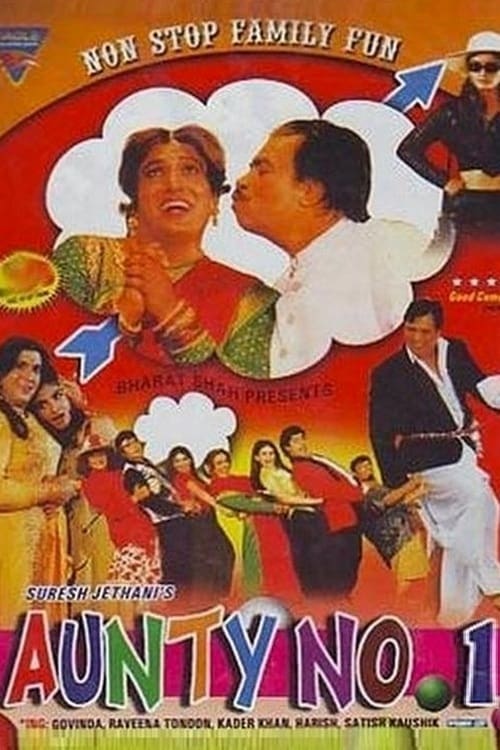
Aunty No. 1
1998
No user ratings available yet
Diversity score: 3.7 out of 10
No Poster Available
1993
Director
José Juan Munguía
Runtime
86 minutes
Average Rating
No ratings yetSynopsis
When night falls, Prudencio disguises himself as a vampire and an old Green tail to seduce Florinda, Malena and Eva, his three neighbors. Meanwhile, the dangerous criminal nicknamed the little boy escapes from jail to kill Prudencio who stole Florinda's heart. Eva's suitor is a policeman who follows Chiquilín's tracks to capture him. Malena tells Prudencio that she had a daughter with him and forces her to recognize him. Prudencio's friend, Bad luck, seduces Florinda and Malena kidnaps Prudencio so that he does not abandon him. Finally the commander catches the Chiqilinín and Malena frees Prudencio to form a couple with Prudencio's uncle who comes from a town and with whom he bears a striking resemblance. Thus, the uncle recognizes Malena and her daughter as his new family.
Overall Score
Limited
Category Breakdown
LGBTQ+ Representation
The film focuses on heteronormative romantic pursuits and traditional courtship. There is no evidence of queer-coded narratives or non-cisnormative gender identities within the plot.
Gender Representation
Female characters like Florinda, Malena, and Eva drive much of the conflict and agency. However, the narrative remains rooted in traditional pursuit-based dynamics and gender tropes.
Racial & Ethnic Diversity
The film suggests a localized cultural production, though specific ethnic compositions are not detailed. It lacks documented evidence of intersectional complexity or diverse casting.
Religious & Cultural Diversity
The story adheres to conventional social frameworks and standard institutions. It reinforces traditional family units rather than offering critiques of social or religious norms.
Disability Representation
There is no mention of characters with visible or invisible disabilities in the narrative.
Strengths
Areas for Improvement
AI Analysis
The film operates as a traditional comedy that relies on established social and gender hierarchies. While the female characters exercise agency through their relationship decisions, the story does not attempt to disrupt conventional norms. The narrative structure is built around standard tropes of romantic entanglement and law enforcement. It follows a predictable path of crime and consequence, ultimately reinforcing traditional family structures. Overall, the work lacks the progressive intentionality or intersectional depth required to move beyond a baseline regional comedy.
1998

1952
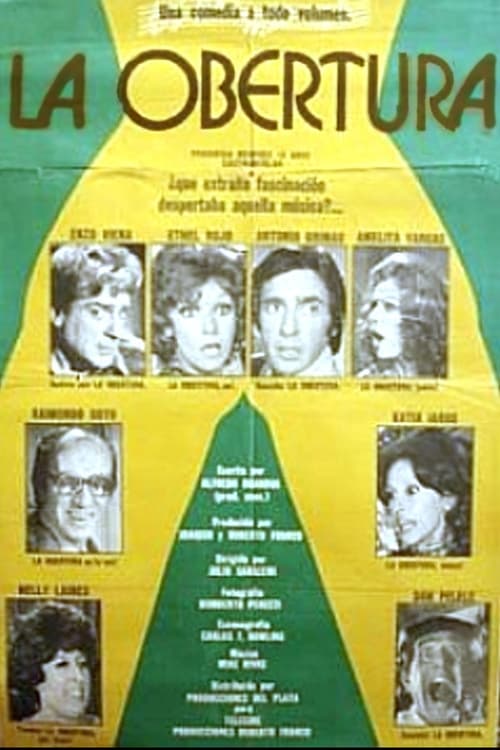
1977
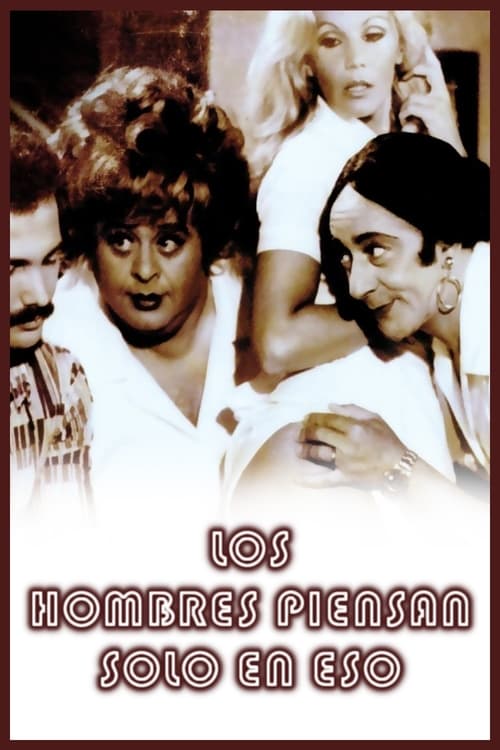
1976
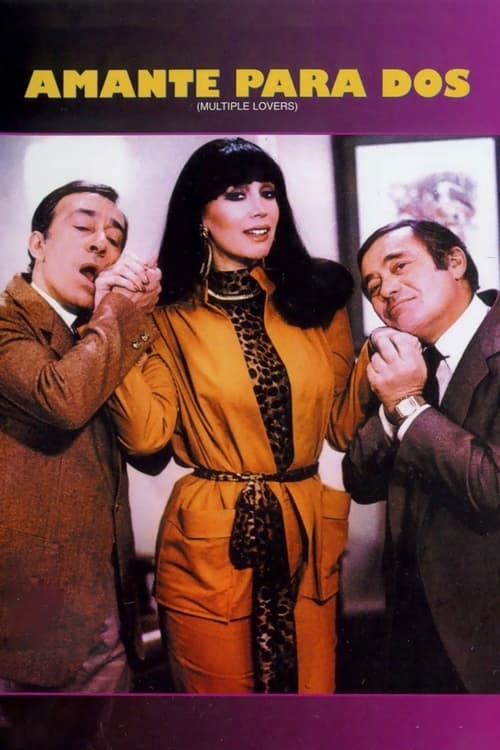
1981

1992
1990
2012

2013

1973
1982
1978
No reviews yet. Be the first to share your thoughts on this movie!
Use the rating form above to leave a star rating and optional review.