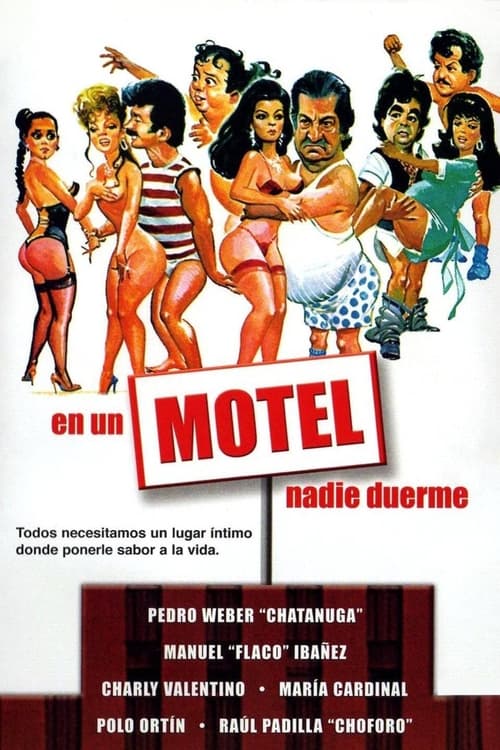
En un motel nadie duerme
1989
No user ratings available yet
Representation score: 1.9 out of 10
Representation Score
Limited
1990
Director
Jesús Fragoso Montoya
Average Rating
No ratings yetNew Showbiz Analysis
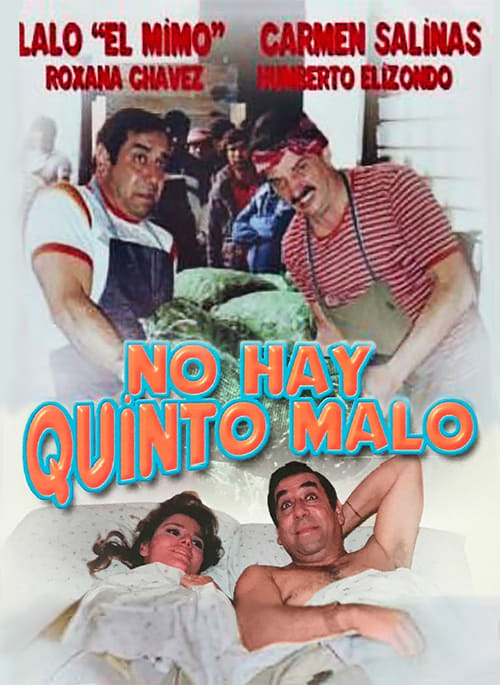
No hay quinto malo is a standard Mexican sex comedy that functions primarily as period-specific commercial entertainment. While it provides a baseline of ethnic representation by reflecting its regional origins, it lacks narrative depth regarding identity. The film relies on established genre clichés rather than intentional subversion. It prioritizes comedic conflict and escapism over the development of complex, multi-layered characters or progressive social critiques. Ultimately, the work serves as a snapshot of its era's commercial cinema, offering cultural authenticity through its casting while remaining limited in its exploration of diverse social identities.
Category Breakdown
The film does not provide clear evidence of characters with diverse gender identities. It operates within the traditional boundaries of assuming everyone is straight and cisgender.
Female characters likely play key roles in driving the comedic plot through established archetypes. However, there is no indication of strong, independent female characters or challenging male-dominated structures.
As a Mexican production, the film features a predominantly non-Anglo-Saxon cast, reflecting the local demographic reality and disrupting Western-centric homogeneity.
The narrative prioritizes commercial escapism over critical views of institutions. It adheres to conventional social structures rather than offering perspectives that challenge institutional norms.
There is no information regarding the inclusion or portrayal of characters with physical or neurodivergent disabilities.
Present on Screen
Limited or Absent
1989

1992
1989

1995
1985

1994
1987
1990
No reviews yet. Be the first to share your thoughts on this movie!
Use the rating form above to leave a star rating and optional review.