
Insatiable Alicia and the Marquis
1983
No user ratings available yet
Representation score: 3.1 out of 10

Representation Score
Limited
1974
GDirector
George Schaefer
Runtime
99 minutes
Average Rating
No ratings yetNew Showbiz Analysis
Once Upon a Scoundrel is a 1974 comedy that relies heavily on traditional genre structures. While it offers some subversion of power dynamics through its female characters, it remains largely within the bounds of mid-70s conventional storytelling. The film provides a Mexican setting, moving away from strictly Anglo-Saxon narratives. However, it lacks the specific detail needed to confirm meaningful racial representation. The narrative focus stays on individual character motivations rather than systemic or cultural exploration. Ultimately, the film's adherence to traditional romantic and comedic clichés limits its overall diversity impact.
Category Breakdown
The film does not include any explicit LGBTQ+ characters or narratives that question the assumption that everyone is straight or cisgender. The main plot revolves around a traditional romantic relationship between Alicia and Carlos.
Female characters play a significant role in the story by planning and executing a strategy to outmaneuver a powerful landowner. However, the central conflict remains rooted in conventional romantic clichés.
The film sets itself in a Mexican environment, offering a non-Anglo-Saxon backdrop. However, the depth of this ethnic portrayal and the specifics of the casting are not verified.
The story follows a typical comedic storyline centered on personal morality and greed. It does not delve into broader systemic critiques of institutions or secularism.
There is no mention of characters with visible or invisible disabilities in the narrative.
Present on Screen
Limited or Absent
Official Synopsis
After falling for Alicia, greedy and powerful Mexican landowner Carlos has her fiancé thrown in prison on a bogus charge. To trick Carlos into releasing her man, Alicia teams up with her Aunt Delfina and tries to convince Carlos that he's a ghost.
1983
1976
1950

1976
1951

1936
1963
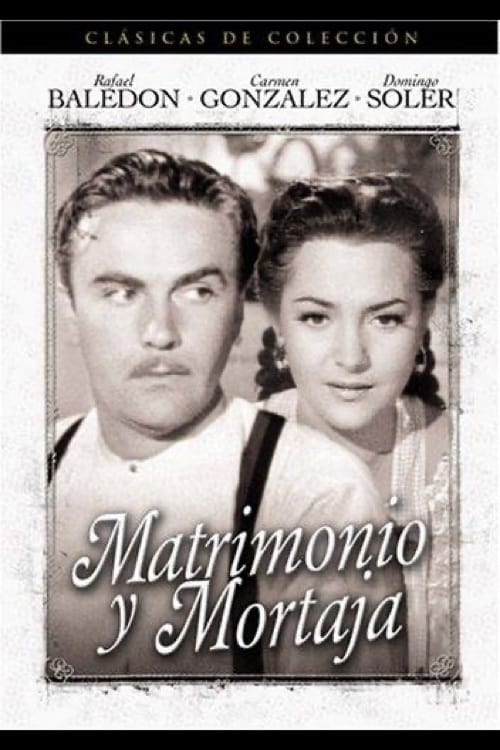
1950
No reviews yet. Be the first to share your thoughts on this movie!
Use the rating form above to leave a star rating and optional review.