
Entire Days Together
2019
No user ratings available yet
Representation score: 7.8 out of 10
Representation Score
Limited
1956
ApprovedDirector
Jean Negulesco
Runtime
23 minutes
Average Rating
No ratings yetNew Showbiz Analysis
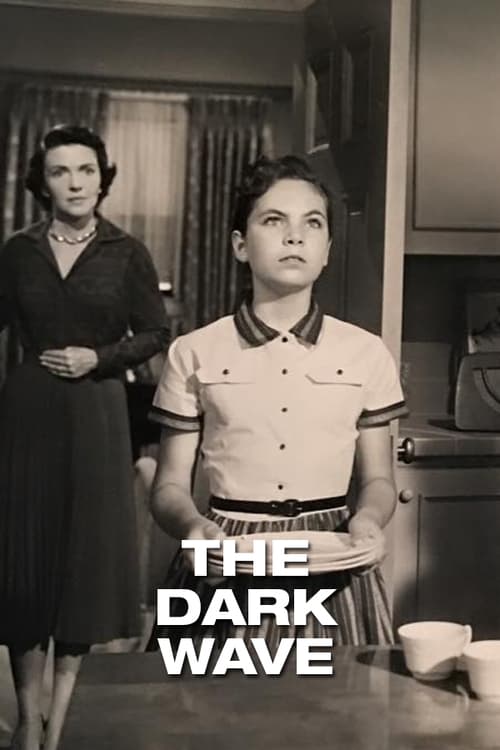
The Dark Wave serves as a mid-century medical documentary that prioritizes scientific observation over social critique. While it provides visibility for epilepsy, the narrative is constrained by the era's medical and social paradigms. The film lacks multi-layered complexity, focusing almost exclusively on a singular medical struggle. This narrow scope results in a lack of racial, cultural, or LGBTQ+ representation. Ultimately, the work reflects the social hierarchies of 1956. It offers a baseline of disability visibility but fails to challenge the systemic structures of the time.
Category Breakdown
The film does not include any LGBTQ+ characters or non-cisgender identities. It follows the straight-centered social standards typical of mid-century documentary filmmaking.
While the film centers on a female protagonist, it lacks evidence of character's ability to drive the story. The portrayal likely reflects 1950s medical clichés of female vulnerability rather than social dominance.
There is no evidence of a diverse or non-Anglo-Saxon cast. The narrative focuses on a singular individual, suggesting a homogeneous demographic consistent with the era's filmmaking.
The documentary functions as a traditional medical study. It lacks any secularist or anti-Western critiques, instead aligning with mid-century scientific observation and social order.
The film provides visibility for epilepsy, centering a person with a neurological condition. However, it risks using a medical model of disability rather than an identity-based framework.
Present on Screen
Limited or Absent
Official Synopsis
A young girl, normal in every way, is affected with severe epilepsy.
2019

2011

2016
2005

1951

1977
2013
1947
No reviews yet. Be the first to share your thoughts on this movie!
Use the rating form above to leave a star rating and optional review.