Sunstroke
1953
No user ratings available yet
Representation score: 2.9 out of 10
Representation Score
Limited
1960
Director
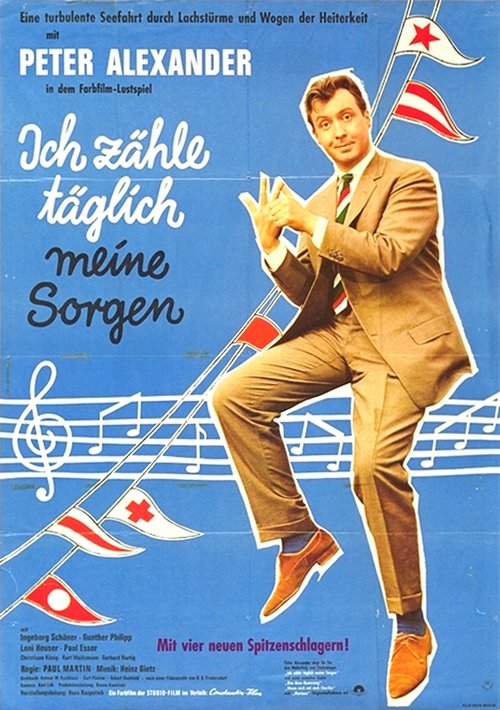
Paul Martin
Runtime
92 minutes
Average Rating
No ratings yetNew Showbiz Analysis
I Daily Count My Sorrows is a quintessential product of the 1960s West German Schlagerfilm genre, prioritizing escapism and light-hearted entertainment over social commentary. The narrative relies heavily on mid-century hierarchies, particularly regarding gender and family duty. The central conflict revolves around patriarchal control, even if the protagonists ultimately navigate their own romantic choices. Ultimately, the film serves as a conventional genre piece, offering a traditional romantic experience consistent with its historical context.
Category Breakdown
The film follows a standard trajectory centered around heterosexual relationships. There is no indication of LGBTQ+ identities or same-sex intimacy.
Initially, the female protagonist's ability to drive the story is limited by patriarchal structures, as she is expected to marry a stranger chosen by her father. Despite finding autonomy through escape, the film relies on traditional gender roles.
Reflecting the ethnic homogeneity of the time, the film features a predominantly white, Eurocentric cast with no significant ethnic diversity.
The story emphasizes traditional post-war West German values, focusing on romantic reconciliation and familial duty rather than challenging or secular themes.
The film does not include characters with physical or neurodivergent disabilities.
Present on Screen
Limited or Absent
Official Synopsis
For business reasons, Rosemary is supposed to marry Peter, a stranger to her, according to her father's wishes. However, while fleeing from America back to Europe, Rosemary and Peter meet under assumed names and fall in love.
1953
1958
1960
1967
1967

1952
1954
1956
No reviews yet. Be the first to share your thoughts on this movie!
Use the rating form above to leave a star rating and optional review.