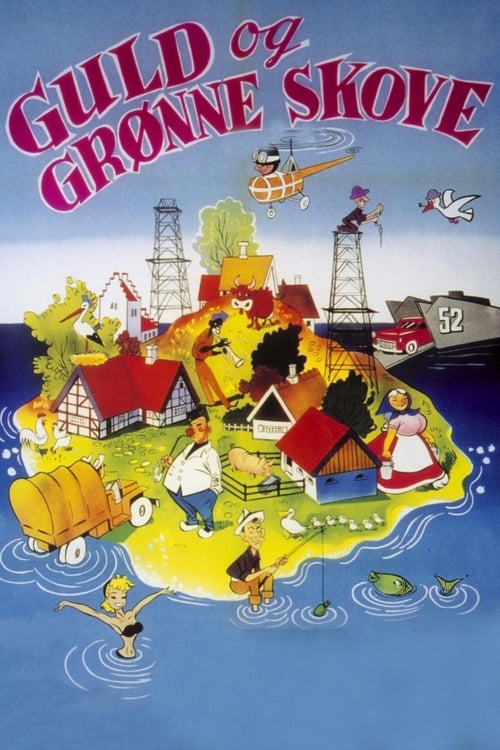
The Girls Are Willing
1958
No user ratings available yet
Representation score: 0.3 out of 10
Representation Score
Limited
1966
Director
Finn Henriksen
Runtime
96 minutes
Average Rating
No ratings yetNew Showbiz Analysis
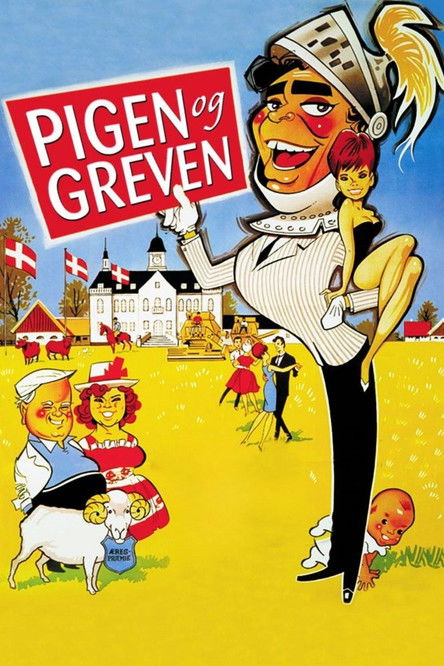
The Girl and the Viscount is a traditional period comedy that prioritizes conventional romantic resolutions and established social hierarchies. While the protagonist, Susanne, demonstrates individual ability to act in managing her domestic situation, the film lacks multi-layered complexity. The narrative architecture remains firmly rooted in the social standards of 1966. It focuses on the complexities of secret identities and biological legitimacy within a standard romantic framework, offering little systemic critique. Ultimately, the film functions as a culturally uniform piece of mid-century entertainment, reinforcing the era's standard social structures rather than challenging them.
Category Breakdown
The story centers on heterosexual relationships and traditional family structures. There is no evidence of LGBTQ+ identities or critiques of social norms.
Susanne plays a significant role in managing her single motherhood, yet the plot relies on clichés regarding female reputation. Male characters drive much of the situational comedy.
The setting suggests a homogeneous European social environment. There is no indication of racial blending or non-white characters within the narrative.
The film adheres to mid-century Western norms, emphasizing family lineage and aristocratic settings. It seeks to restore social equilibrium rather than challenge class structures.
The narrative contains no evidence of characters with visible or invisible disabilities.
Present on Screen
Limited or Absent
Official Synopsis
Susanne is going to the countryside to visit Ditmar. Ditmar has been abroad for over a year, and in the meantime, Susanne has given birth to Lulu without Ditmar's knowledge. Susanne's good friend and nanny, Andreas, accompanies her to the estate. Andreas and Lulu are assumed to be the butler and his daughter. Andreas agrees to the idea so that he can keep an eye on Susanne. However, Andreas falls in love with the daughter of the house, who believes he has a wife. At the same time, Susanne tries to tell Ditmar that Lulu is their child.
1958
1950
1965
1958

2010

1962

1967
1967
No reviews yet. Be the first to share your thoughts on this movie!
Use the rating form above to leave a star rating and optional review.