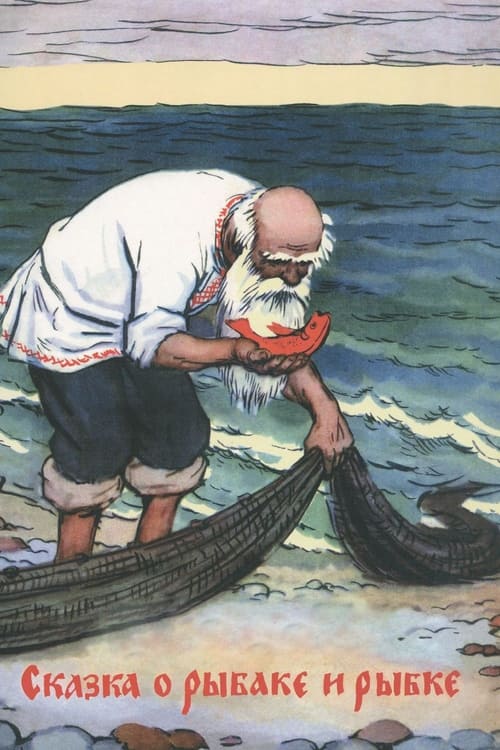
The Tale of the Fisherman and the Goldfish
1950
No user ratings available yet
Representation score: 2.9 out of 10

Representation Score
Limited
1937
Director
Aleksandr Ptushko
Runtime
30 minutes
Average Rating
No ratings yetNew Showbiz Analysis
The film operates mainly as a traditional moral allegory. While it challenges the stereotype of passive women by making the female character the central figure, this role is used to highlight the pitfalls of greed rather than to promote autonomy. The production reflects the cultural uniformity of its 1937 era and its folkloric traditions. It emphasizes individual actions and the cyclical nature of social hierarchies rather than broader societal issues. Overall, the work lacks the complexity of modern perspectives, prioritizing a cautionary moral framework over diverse representation.
Category Breakdown
The film adheres to a traditional structure that assumes everyone is straight and cisgender. There are no depictions of LGBTQ+ identities or same-sex relationships.
The wife is the main driver of the plot, challenging the stereotype of submissive women through her relentless ambition. However, her role is portrayed as a warning about the dangers of greed rather than as a celebration of empowerment.
The cast is uniform, reflecting the traditional Russian folklore setting. The story does not explore racial or ethnic diversity.
The story comments on the instability of social status and wealth by showing a character's rise and fall through different social classes.
There are no prominent depictions of physical or neurodivergent disabilities in the narrative.
Present on Screen
Limited or Absent
Official Synopsis
Adaptation of Pushkin's fairy tales. The tale is about a fisherman who manages to catch a Golden Fish which promises to fulfill any wish of his in exchange for its freedom. The storyline is similar to the Russian fairy tale "The Greedy Old Wife" and the Brothers Grimm's tale "The Fisherman and His Wife".
1950

1957
1949
2013
1968
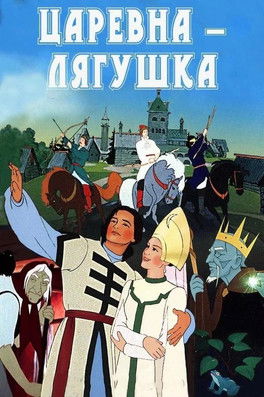
1954
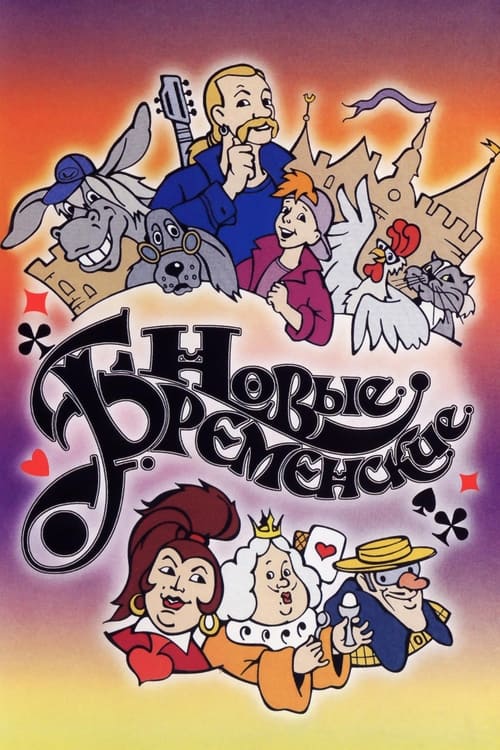
2000
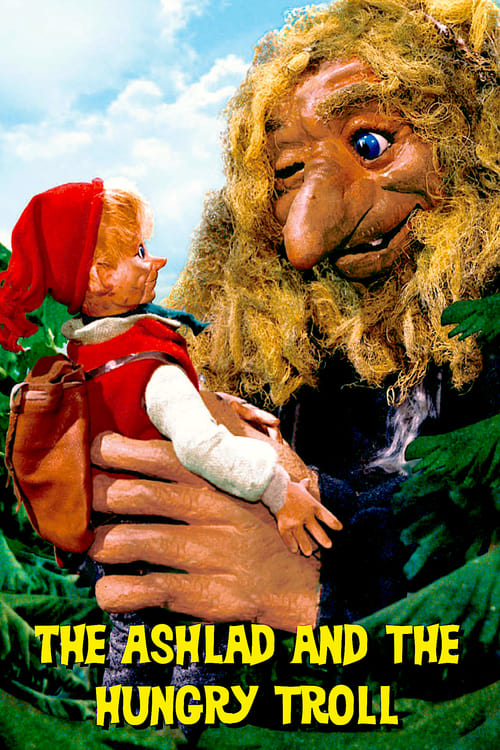
1967
No reviews yet. Be the first to share your thoughts on this movie!
Use the rating form above to leave a star rating and optional review.