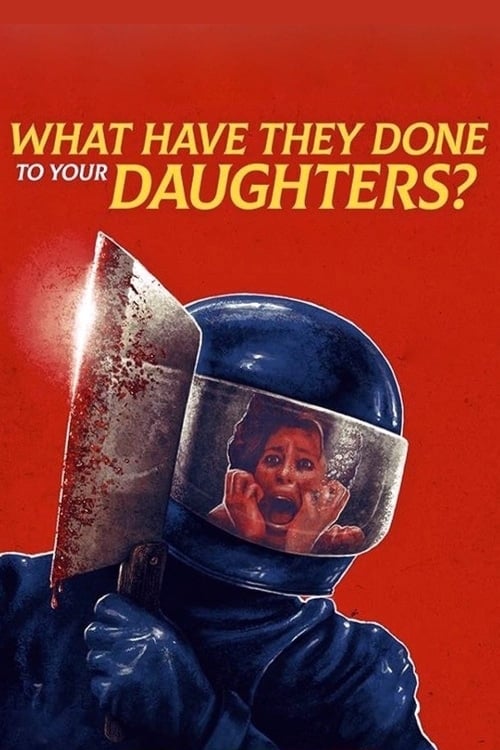
What Have They Done to Your Daughters?
1974
No user ratings available yet
Representation score: 1.2 out of 10
Representation Score
Fair
1972
Director
Tonino Valerii
Runtime
96 minutes
Average Rating
No ratings yetNew Showbiz Analysis
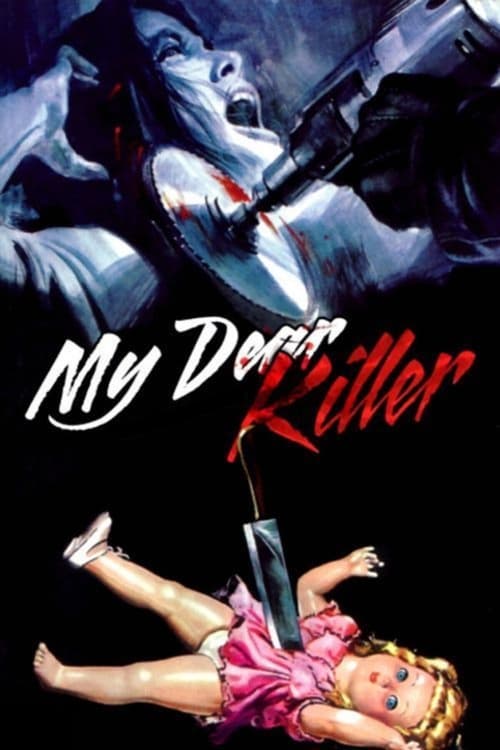
My Dear Killer is a classic giallo that prioritizes genre tension and mystery over social or characters who reflect more than one aspect of diversity. It adheres to the demographic norms of 1970s European thriller cinema. The film relies on established cinematic hierarchies. While it features prominent female actors, the narrative structure remains rooted in conventional clichés rather than progressive identity frameworks. Ultimately, the work focuses on the procedural elements of a criminal investigation. It does not aim to disrupt social expectations or provide nuanced depictions of diverse identities.
Category Breakdown
The film does not include any explicitly LGBTQ+ characters or identities that challenge heterosexuality. It follows a traditional mystery format centered around conventional social structures.
The film features strong female leads, but their roles often swing between having investigative ability to act and falling into the damsel in distress stereotype typical of the era.
As an Italian-Spanish production, the cast is predominantly Mediterranean with no significant racial diversity or non-white actors.
The story emphasizes procedural justice and restoring social order. It does not challenge institutional norms or depict radical cultural shifts.
Trauma is used as a plot device for suspense, but there are no characters with disabilities portrayed who play a significant role in driving the story. The film lacks intentional representation of disabilities.
Present on Screen
Limited or Absent
Official Synopsis
Following the mysterious decapitation of an insurance investigator, Police Inspector Peretti is put onto the case, but all the clues lead to an unsolved case of kidnapping and murder.
1974

1964

1971
1971
1974

1972
1972
1975
No reviews yet. Be the first to share your thoughts on this movie!
Use the rating form above to leave a star rating and optional review.