Orphan
2009
No user ratings available yet
Representation score: 3.1 out of 10
Representation Score
Fair
2009
RDirector
Christian Alvart
Runtime
109 minutes
Average Rating
No ratings yetNew Showbiz Analysis
Case 39 succeeds in challenging traditional horror clichés by placing women in positions of authority and investigative leadership. The female protagonists drive the tension through their professional expertise and moral resolve. However, the film lacks multi-layered depth. It features a predominantly white cast and does not represent LGBTQ+ identities or disability perspectives. Ultimately, the film adheres to conventional genre boundaries while avoiding the 'damsel in distress' cliché but does not challenge systemic power structures or offer diverse cultural perspectives.
Category Breakdown
The film does not include any LGBTQ+ characters or explore non-straight relationships. It focuses on traditional interpersonal dynamics among social workers, parents, and the child.
Professional women play a central role in driving the plot through their intellectual and moral authority. The film shifts away from male-led protection stories to emphasize female-led investigations.
The cast is predominantly white, reflecting a homogeneous suburban setting. The story lacks diversity and does not explore different racial or ethnic backgrounds.
The family unit is portrayed as a site of violence, but the story stays within genre morality without critiquing broader social institutions or Western values.
The film does not meaningfully represent neurodivergence or physical disabilities. The child's unusual behavior is framed as supernatural possession rather than a nuanced look at disability.
Present on Screen
Limited or Absent
Official Synopsis
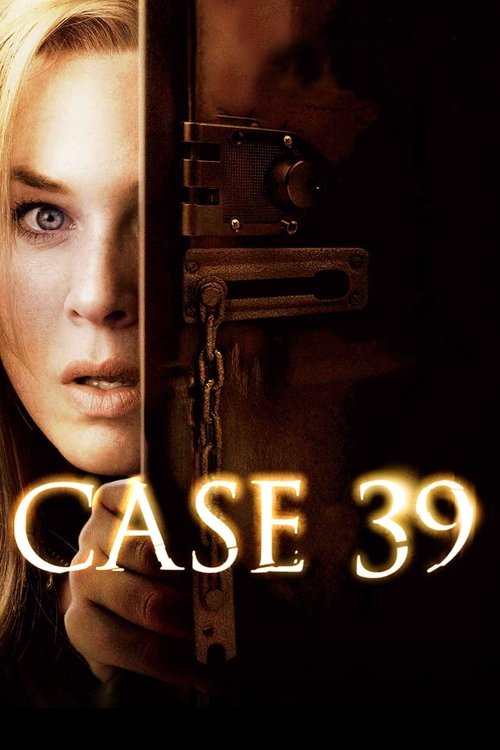
In her many years as a social worker, Emily Jenkins believes she has seen it all, until she meets 10-year-old Lilith and the girl's cruel parents. Emily's worst fears are confirmed when the parents try to harm the child, and so Emily assumes custody of Lilith while she looks for a foster family. However, Emily soon finds that dark forces surround the seemingly innocent girl, and the more she tries to protect Lilith, the more horrors she encounters.
2009
1956
2019
2007
2005
2012
2009
2007
No reviews yet. Be the first to share your thoughts on this movie!
Use the rating form above to leave a star rating and optional review.