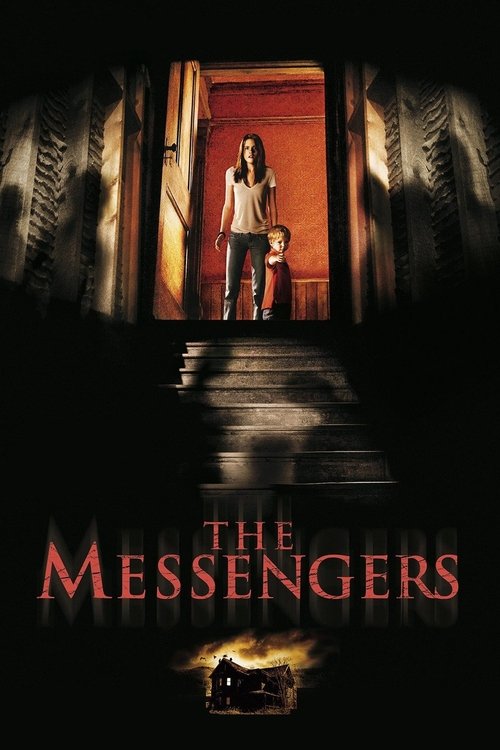
The Messengers
2007
No user ratings available yet
Representation score: 3.3 out of 10
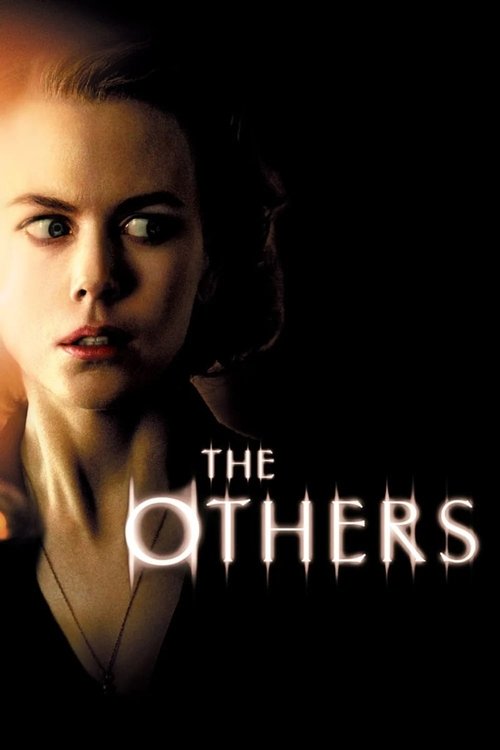
Representation Score
Limited
2001
PG-13Director
Alejandro Amenábar
Runtime
101 minutes
Average Rating
No ratings yetNew Showbiz Analysis
The film excels in its atmospheric gothic horror, prioritizing historical period accuracy and religious orthodoxy over progressive representation. While Grace provides a strong female protagonist, her role is confined to traditional domestic and maternal duties. The narrative structure reinforces conventional hierarchies. The absence of racial and LGBTQ+ diversity reflects the mid-20th-century setting, yet the film does not seek to challenge these social norms or introduce perspectives that reflect multiple aspects of identity. Ultimately, the film leverages physical conditions and religious devotion to drive plot tension, rather than delving into nuanced explorations of identity or neurodivergence.
Category Breakdown
There are no visible LGBTQ+ characters or narratives in the film. The social landscape adheres to mid-20th-century standards centered around heterosexual relationships and the nuclear family unit.
Grace is a central protagonist and moral authority, playing a significant role in driving the story through her traditional maternal duties and religious discipline within the domestic sphere.
The cast is homogeneous, featuring primarily characters of European descent. This reflects the post-war Jersey setting but does not include diverse identities to broaden the narrative's social scope.
The narrative is deeply rooted in traditional Western institutions and Catholic faith, emphasizing religious rituals and the sanctity of the family unit without presenting any secular or relativistic critiques.
Characters have a rare photosensitivity that shapes the film's physical environment. This condition primarily serves as a narrative device for creating tension rather than exploring disability in depth.
Present on Screen
Limited or Absent
Official Synopsis
Grace is a religious woman who lives in an old house kept dark because her two children, Anne and Nicholas, have a rare sensitivity to light. When the family begins to suspect the house is haunted, Grace fights to protect her children at any cost in the face of strange events and disturbing visions.
2007

1976

2016
1961
2017

1977
2018
2003
No reviews yet. Be the first to share your thoughts on this movie!
Use the rating form above to leave a star rating and optional review.