
Capricious Summer
1968
No user ratings available yet
Diversity score: 4.0 out of 10
1962
Director
Agnès Varda
Runtime
5 minutes
Average Rating
No ratings yetSynopsis
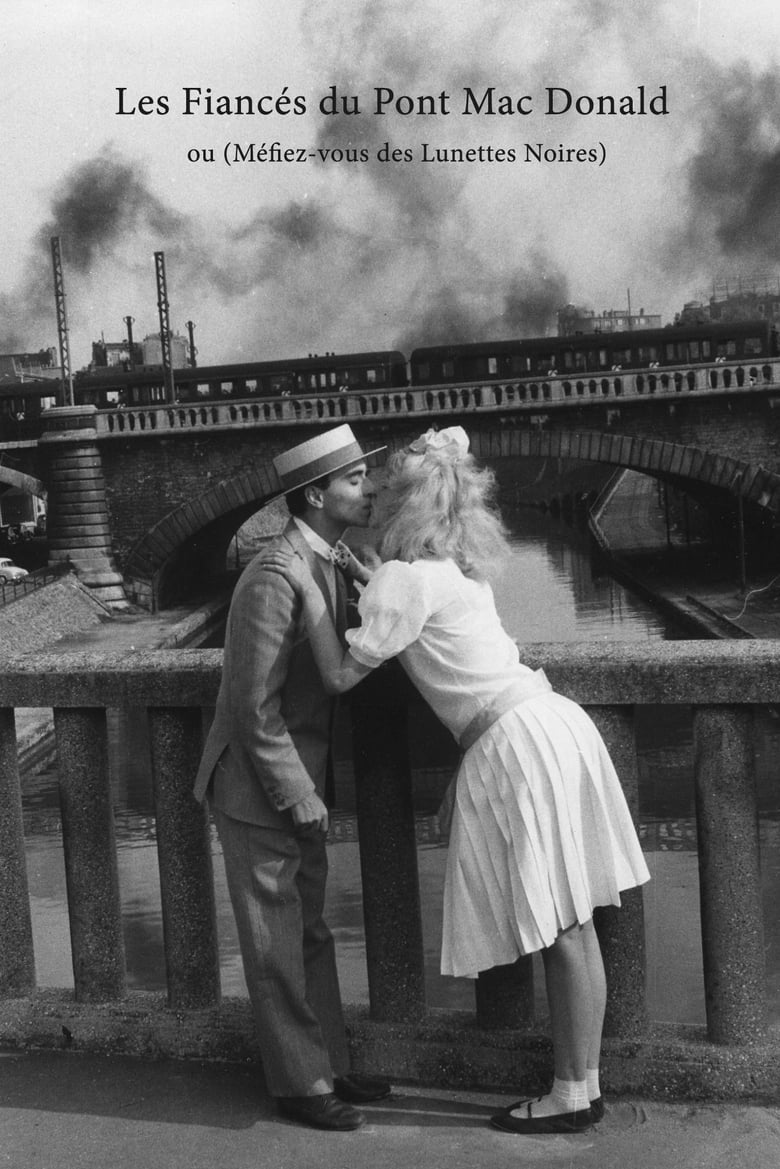
A subtitle warns, "beware of dark sunglasses." Anna and her lover, whose looks in bowler and bow tie are reminiscent of a young Buster Keaton, kiss chastely on a bridge overlooking the Seine. He dons sunglasses and waves as she runs down a stairway to the river's edge, then watches in horror as she's knocked flat and loaded into the back of a hearse. In vain, he gives chase. Disconsolate, he buys a large funeral wreath and a handkerchief from sympathetic vendors. He removes the glasses to wipe his eyes and realizes they are the cause of all his woe. He replays the farewell without the glasses.
Overall Score
Fair
Category Breakdown
LGBTQ+ Representation
The film centers on a brief, heteronormative encounter between a man and a woman. It does not feature non-cisnormative identities or same-sex intimacy.
Gender Representation
The female protagonist displays kinetic agency as she moves through the urban landscape. The narrative avoids rigid hierarchies, focusing instead on a fleeting, shared connection.
Racial & Ethnic Diversity
The cast is predominantly homogeneous, reflecting the demographic realities of 1962 Paris. There is no evidence of racial blending or non-white casting.
Religious & Cultural Diversity
Varda eschews didactic or religious frameworks in favor of subjective truth. The film prioritizes the ephemeral nature of human connection over established social structures.
Disability Representation
No physical or neurodivergent disabilities are explicitly depicted. The use of sunglasses serves as a stylistic plot device rather than a character-driven exploration of disability.
Strengths
Areas for Improvement
AI Analysis
Agnès Varda’s work is a landmark of cinematic modernism that prioritizes experimental structure over traditional plot mechanics. While the film is culturally sophisticated in its deconstruction of storytelling, it lacks demographic breadth. The narrative functions as a localized study of Parisian life, remaining within the social and racial norms of its era. It does not actively engage with identity politics or diverse casting. Ultimately, the film's progressiveness lies in its artistic intent and its refusal to follow institutionalized storytelling, even as it remains limited in its representation of diverse identities.
1968
2003
1974
1962
1970

1952
1960
1952
1979
1953
1958

1960
No reviews yet. Be the first to share your thoughts on this movie!
Use the rating form above to leave a star rating and optional review.