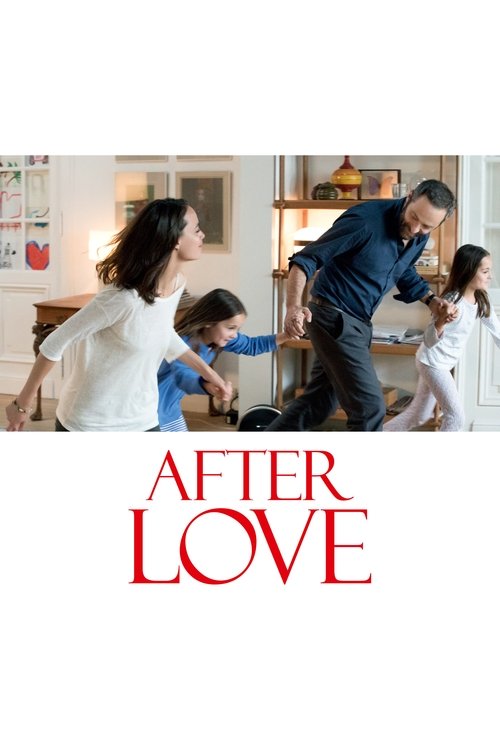
After Love
2016
No user ratings available yet
Diversity score: 3.3 out of 10

1956
Director
Barbro Boman
Runtime
80 minutes
Average Rating
No ratings yetSynopsis
Görel and Arne are about to get a divorce. Görel thinks back on how history has repeated itself within her family.
Overall Score
Limited
Category Breakdown
LGBTQ+ Representation
The film lacks any evidence of queer narratives or non-heteronormative identities. The central conflict remains strictly within the framework of a traditional marriage.
Gender Representation
The story centers on Görel’s internal perspective and her psychological journey. This focus positions her as an analytical observer rather than a passive domestic figure.
Racial & Ethnic Diversity
The production likely reflects the demographic homogeneity of mid-century Sweden. There is no indication of diverse racial or ethnic casting in the narrative.
Religious & Cultural Diversity
The film explores the breakdown of the nuclear family and the complexities of divorce. It challenges traditional marital sanctity by framing dissolution as a historical pattern.
Disability Representation
There is no information available regarding the depiction of physical or neurodivergent characters in this work.
Strengths
Areas for Improvement
AI Analysis
Barbro Boman’s 1956 drama is a character-driven study of domestic dissolution. It finds its strength in exploring intergenerational trauma and the psychological agency of its female protagonist, Görel, as she navigates the end of her marriage to Arne. However, the film is limited by the social realities of its era. It lacks intersectional breadth, offering no representation for LGBTQ+ identities or diverse racial backgrounds, reflecting the homogeneous landscape of mid-century Swedish cinema. Ultimately, the film functions as a sociological examination of familial structures. While it lacks broad demographic variety, it provides a progressive look at how personal history shapes social cycles.
2016
1961
1961

1990
1956

1961
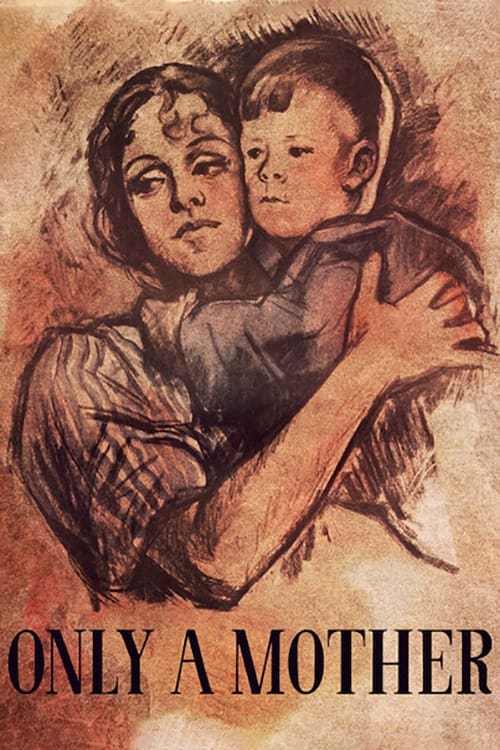
1949
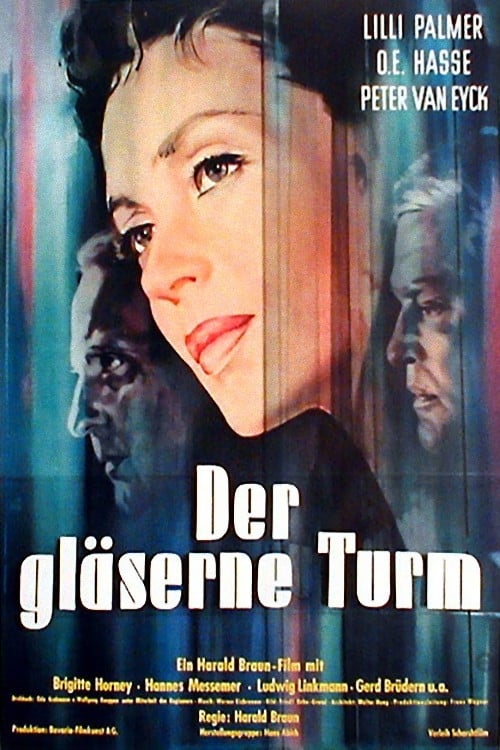
1957
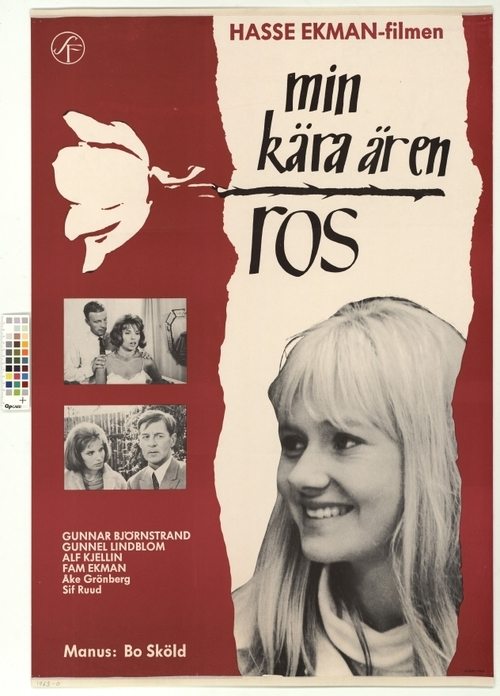
1963

1973
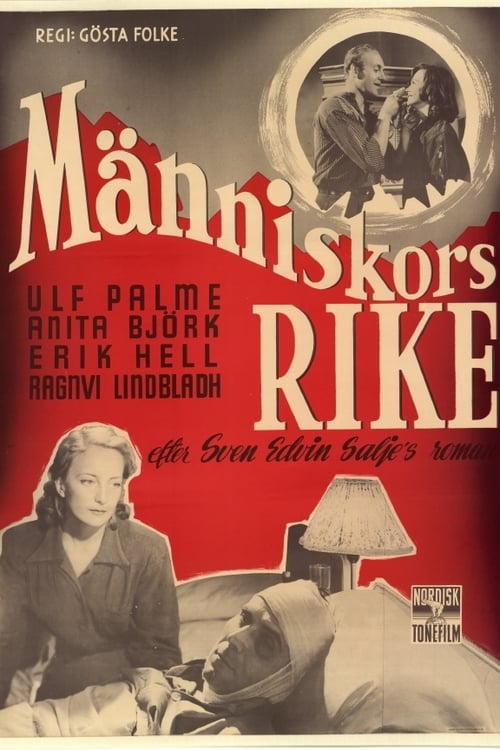
1949
1951
No reviews yet. Be the first to share your thoughts on this movie!
Use the rating form above to leave a star rating and optional review.