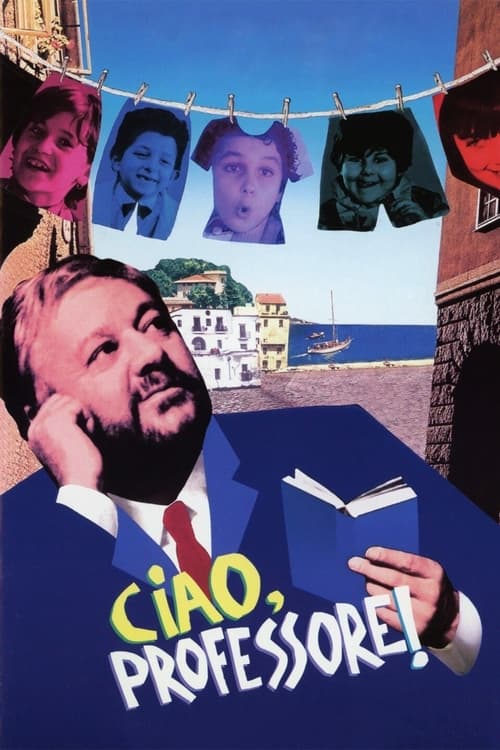
Ciao, Professore!
1992
No user ratings available yet
Representation score: 5.9 out of 10

Representation Score
Limited
1984
Director
Luciano De Crescenzo
Runtime
105 minutes
Average Rating
No ratings yetNew Showbiz Analysis
Thus Spoke Bellavista is a sophisticated study of regionalism and the clash between different socio-economic philosophies. It uses Ancient Greek philosophy to validate the experiences of the Neapolitan working class, suggesting that underrepresented groups can be intellectually active. However, the film lacks broad demographic diversity. It focuses on a homogeneous Italian population, offering little representation for LGBTQ+ identities, diverse racial backgrounds, or significant female roles. Ultimately, the film's strength lies in its cultural critique. It challenges the perceived superiority of Northern industrial norms by highlighting communal, non-capitalist social structures through Southern intellectual traditions.
Category Breakdown
The film does not include any LGBTQ+ characters or stories about non-straight identities.
The story focuses on a male-dominated philosophical group. It does not show women taking a leading role or challenging traditional gender roles.
This film looks at Italian regional culture. It focuses on a single ethnic group and does not explore a diverse cast or the overlapping aspects of different racial backgrounds.
The film criticizes Northern industrial capitalism by promoting a localized, non-utilitarian lifestyle. It presents Neapolitan philosophy as a legitimate intellectual pursuit against Northern work ethics.
There is no specific information about the portrayal of physical or neurodivergent disabilities in this film.
Present on Screen
Limited or Absent
Official Synopsis
In Naples, Professor Bellavista is a retired man, passionate about the philosophy and thought of Ancient Greece. Every day, in his luxurious apartment, he teaches his lessons of life to the poor-nothing (his friends), who are dazzled by his reasoning. One day, however, the quiet life of the building of Bellavista will be disturbed by the arrival of a director of Milan. Between Naples and Milan there contrast, because the Neapolitans are accustomed to enjoy a quiet life, always based on the "philosophy of pleasure and delay", while the northern Italians are very strict and punctual.
1992

1981
1982
1981

1985

2000

2002

2011
No reviews yet. Be the first to share your thoughts on this movie!
Use the rating form above to leave a star rating and optional review.