Saving Marriage
2006
No user ratings available yet
Representation score: 5.8 out of 10
Representation Score
Fair
2012
Director
Macky Alston
Runtime
82 minutes
Average Rating
No ratings yetNew Showbiz Analysis
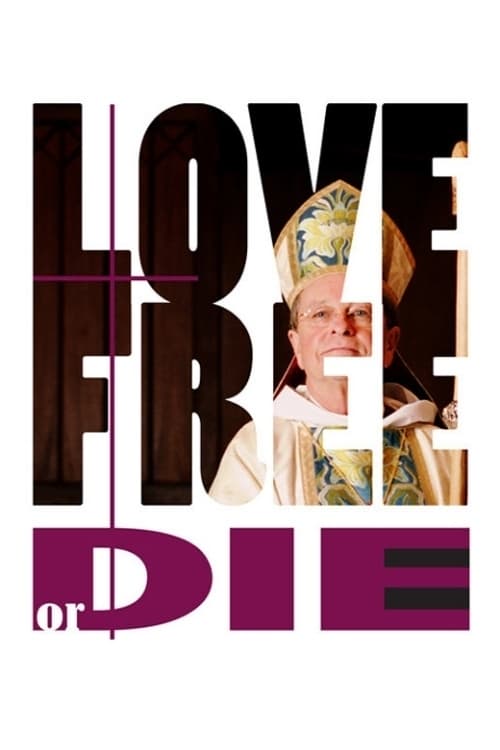
Love Free or Die is a specialized documentary that excels at interrogating institutional the assumption that everyone is straight or cisgender. By centering on the election of Gene Robinson, the film successfully disrupts traditional religious narratives and advocates for the ability to act of underrepresented identities. However, the film's narrow focus on the intersection of faith and sexuality limits its broader impact. The narrative prioritizes orientation over racial the way different parts of someone's identity overlap and maintains a heavy focus on male leadership roles. Ultimately, the work is a powerful study of systemic reform. It replaces traditionalist certainty with a complex exploration of how identity can force institutional change.
Category Breakdown
The film centers on LGBTQ+ individuals by documenting Gene Robinson's historic election. It goes beyond simple visibility to examine how queer identities challenge and reshape rigid religious hierarchies.
The narrative focuses heavily on the male experience of the episcopacy. While it disrupts patriarchal authority, the scope of gender-based analysis remains somewhat limited.
The story prioritizes sexual identity over racial or ethnic diversity. The main narrative lacks a diverse cast of color driving the central conflict.
The documentary offers a sophisticated critique of Western religious dogma. It frames the tension between established orthodoxy and evolving social ethics through an outsider's perspective.
There is no significant evidence regarding the portrayal of physical or neurodivergent disabilities within the film.
Present on Screen
Limited or Absent
Official Synopsis
In June 2003, the Episcopal Church in New Hampshire came under fire when it became the first to elect an openly gay man, Gene Robinson, as a bishop. Since that flash point, Robinson has been at the center of the contentious battle for LGBT people to receive full acceptance in the faith.
2006
1984
2007
2021
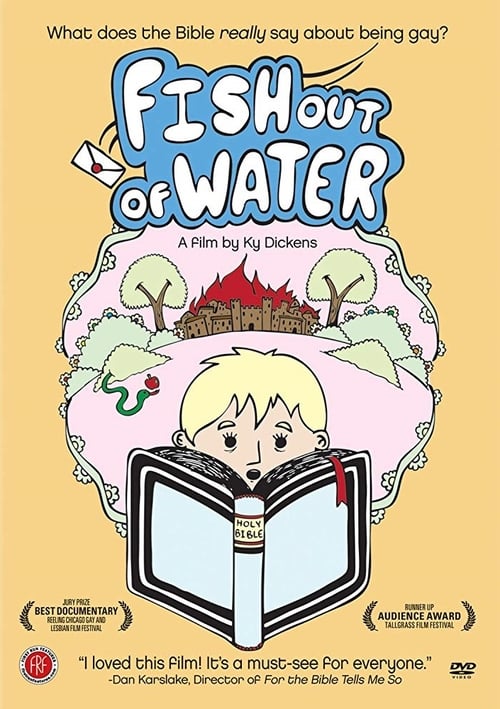
2009
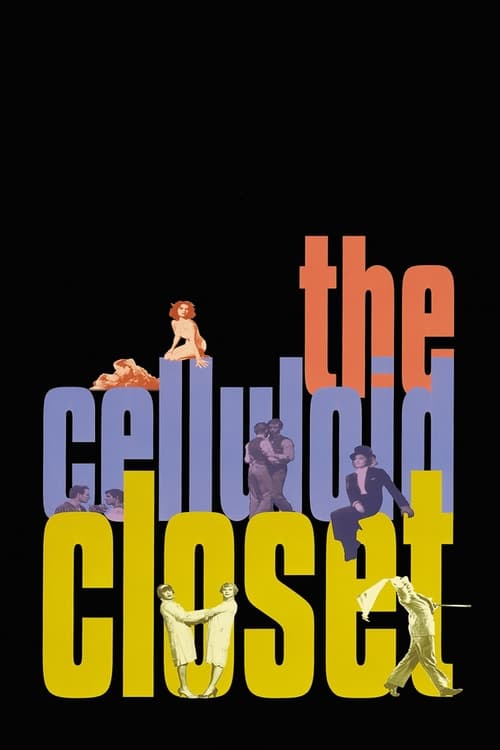
1996

2010

2017
No reviews yet. Be the first to share your thoughts on this movie!
Use the rating form above to leave a star rating and optional review.