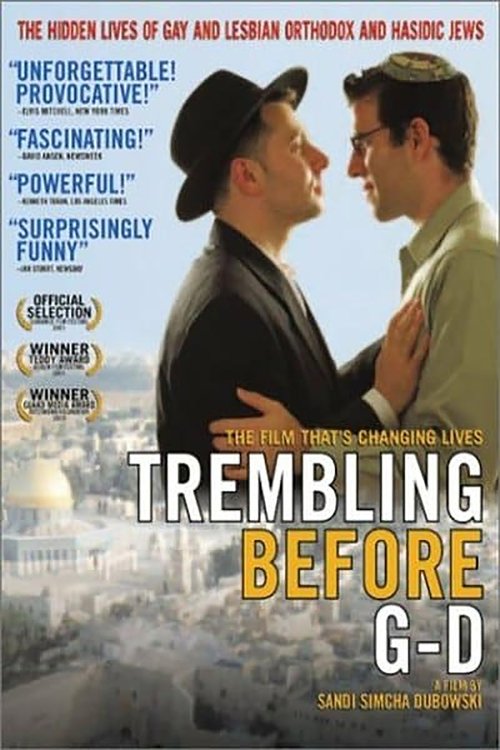
Trembling Before G-d
2001
No user ratings available yet
Representation score: 6.9 out of 10

Representation Score
Good
2010
ADirector
Araceli Santana, Araceli Santana
Runtime
64 minutes
Average Rating
No ratings yetNew Showbiz Analysis
Blattángelus is a compelling documentary that redefines the relationship between underrepresented identities and traditional Western institutions. By focusing on Jorge Sosa, the film challenges the binary of faith versus sexuality, providing a nuanced view of spiritual reconciliation. The film's strength lies in its critique of institutional power structures. It dismantles the Church's role as an absolute moral authority, promoting individual ability to act and a personal connection to the divine. While the film excels in exploring cultural and LGBTQ+ themes, it falls short in representing diverse gender roles and disability. The scope remains centered on the protagonist's unique ideological journey.
Category Breakdown
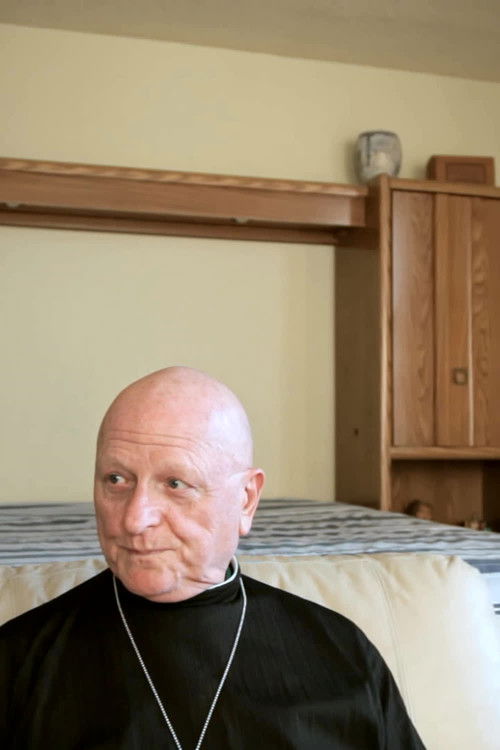
The film focuses on Jorge Sosa's struggle to reconcile his homosexuality with religious beliefs. It delves into the complex interaction between his identity and faith.
The narrative challenges traditional patriarchal structures by showcasing non-traditional spiritual leadership. However, it does not extensively explore diverse gender roles or masculinity.
The film examines specific cultural and ethnic identities within a religious context. It looks at how these identities interact with global religious structures through a personal journey.
The documentary criticizes the strict, exclusionary doctrines of the Catholic Church. It advocates for a personalized spirituality that emphasizes personal freedom over institutional rules.
There is no explicit depiction of physical, neurodivergent, or mental health disabilities in this work.
Present on Screen
Limited or Absent
Official Synopsis
As a member of a traditional Catholic family, Jorge Sosa was immersed since childhood in activities in which his homosexuality created an unbearable ideological conflict that ended when he moved completely away from the precepts and practices of his religion. However, years later the counsel of a priest reconciles him with his faith and leads him to head a church whose mission is to reconcile individuals with a God outside the precepts laid down by the Catholic Church, and above all, a church that brings gay people closer to a God who promotes in his followers, responsibility and full awareness of their freedom.
2001

2021

2008

2007
2012

2009
2006
2016
No reviews yet. Be the first to share your thoughts on this movie!
Use the rating form above to leave a star rating and optional review.