The Pillar of Fire
1899
No user ratings available yet
Representation score: 3.7 out of 10
Representation Score
Minimal
1903
Director
Georges Méliès
Runtime
7 minutes
Average Rating
No ratings yetNew Showbiz Analysis
Méliès' work is a foundational piece of theatrical fantasy that prioritizes visual spectacle over social complexity. It preserves early 20th-century European cultural norms rather than disrupting them. The film relies on established Western mythological archetypes, offering a rich sensory experience but lacking intentional diversity. Ultimately, it stays within the boundaries of contemporary theatrical traditions.
Category Breakdown
The film follows early 20th-century theatrical traditions, focusing on interactions between a male scholar and supernatural entities without any indication of non-straight or non-cisgender identities.
Female characters, such as ballerinas and ethereal beauties, serve as decorative elements without individual ability to act, functioning mainly as passive objects within a male-dominated narrative.
The production employs a homogeneous casting approach typical of early 20th-century European cinema, with no evidence of racial diversity or blending.
Méliès uses religious and mythological themes like Hell as fantastical backdrops. These symbols are used for theatrical effect rather than challenging Western traditions.
The narrative centers on the demonic and fantastical, with no representation of physical disabilities or neurodivergence.
Present on Screen
Limited or Absent
Official Synopsis
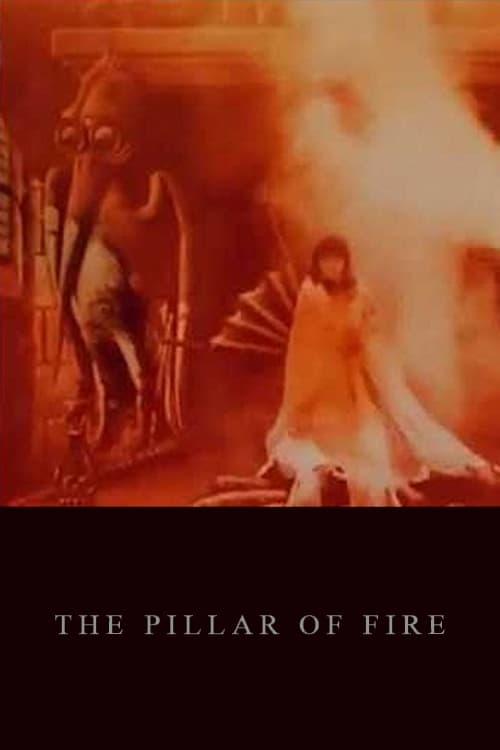
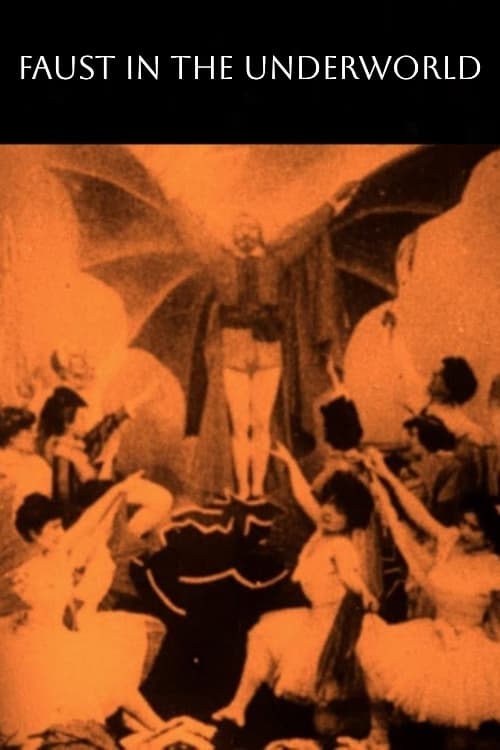
The German legend of a scholar's unholy pact with the Devil would have been very familiar to most moviegoers (at least European ones), so Georges Méliès' early cinematic treatment likely got away with simply offering a fancifully illustrated late episode without the earlier narrative context (however, spoken narration provides some of the latter in this restored print). Tempted by Mephistopheles with all kinds of dancing and ethereal babes, Faust is at first excited and then terrified by the sight of various demons and monsters. The painted-set designers really went hog wild on this one, depicting the (sometimes sexy) torments of subterranean Hell with in bold terms (even when ballerinas prance in the foreground). (Dennis Harvey, Fandor)
1899
1926
1904
1911

1896
1897
1903
1906
No reviews yet. Be the first to share your thoughts on this movie!
Use the rating form above to leave a star rating and optional review.