The African Lion
1955
No user ratings available yet
Representation score: 0.1 out of 10

Representation Score
Minimal
1960
ApprovedDirector
James Algar
Runtime
69 minutes
Average Rating
No ratings yetNew Showbiz Analysis
As a 1960s nature documentary, the film is inherently limited by its focus on non-human animals. Its narrative revolves around the biological observation of jaguars in South America, which excludes human identity politics. The score reflects a lack of representation rather than exclusionary ideologies. Since the subjects are animals, the film cannot engage with multi-layered frameworks or the ability to act of underrepresented human groups. The documentary's focus on animal life cycles and social dynamics means it lacks the structural complexity needed to address human social hierarchies or diverse cultural identities.
Category Breakdown
The film focuses solely on the reproductive cycles of jaguars and does not depict any LGBTQ+ identities or same-sex relationships.
The movie adheres to a binary biological framework of male and female jaguars. While it develops individual animal characters, it does not challenge traditional gender roles.
Since the film is a nature documentary centered on South American wildlife, there are no human characters to analyze for racial or ethnic diversity.
The documentary emphasizes the naturalistic morality of the jungle, avoiding human-centric or religious frameworks and Western institutional dogmas.
There is no depiction of characters with physical or neurodivergent disabilities in the film.
Present on Screen
Limited or Absent
Official Synopsis
This final True-Life Adventure would also appear to be one of the best, as we go into the South American jungle to observe the jaguar. Jungle Cat is more intimate than its kin, allowing individual animal characters to be developed. Central to the cast is a pair of jaguars (one ebony), whose fighting leads to love and, not long after, two babies (one resembling each parent).
1955
1966
1950
2011
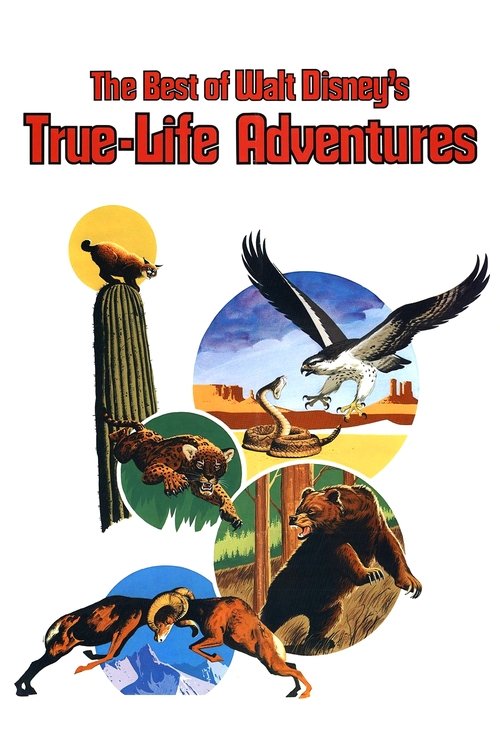
1975
2004
1953

2005
No reviews yet. Be the first to share your thoughts on this movie!
Use the rating form above to leave a star rating and optional review.