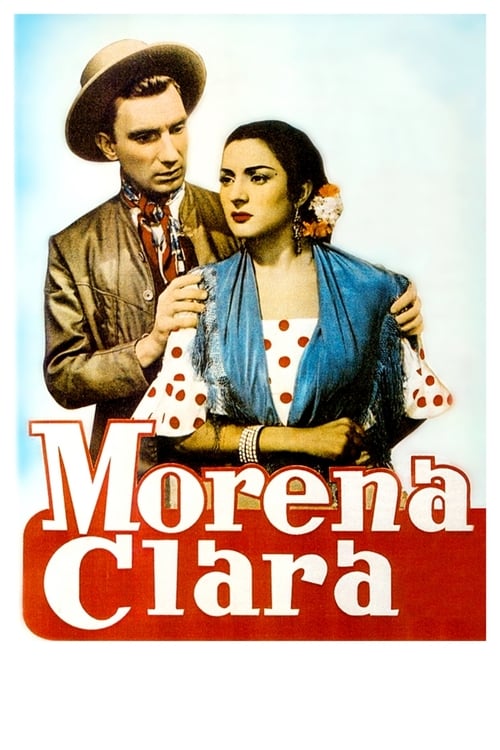
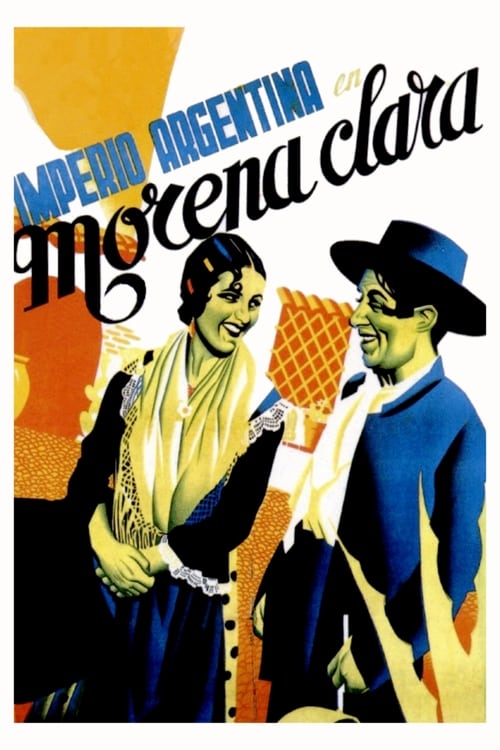
Morena clara
1954
No user ratings available yet
Representation score: 2.1 out of 10
Representation Score
Limited
1936
Director
Florián Rey
Runtime
105 minutes
Average Rating
No ratings yetNew Showbiz Analysis
Morena clara provides a nuanced perspective on the friction between Romani protagonists and the rigid Spanish judicial system of the 1930s. It uses ethnic archetypes to create a romantic comedy, offering visibility to Romani characters like Trini and Regalito. However, the film's conclusion leans towards traditional assimilation. By having the protagonist find stability within the prosecutor's household, the narrative upholds existing social hierarchies rather than challenging them. While the film critiques the misunderstanding of Romani culture, it ultimately adheres to conventional gender roles and institutional authority, reflecting the social constraints of its time.
Category Breakdown
The film focuses on a typical heterosexual romance and does not include any representations of LGBTQ+ identities or non-cisgender narratives.
Trini plays a central role, but her influence is confined to domestic duties and emotional support. Her role is limited compared to the male prosecutor's authority.
Romani characters play key roles, highlighting the disconnect between their culture and the Spanish judicial system of the 1930s. However, the resolution favors assimilation over broader societal changes.
The story examines cultural misunderstandings around morality and law. It suggests social harmony can be achieved by adopting middle-class norms. However, it does not fully address systemic issues.
There are no characters with visible or invisible disabilities depicted in the narrative.
Present on Screen
Limited or Absent
Official Synopsis
Trini and her brother Regalito are two gypsy brothers stealing hams. At trial, the severe prosecutor Enrique accused them of the misdemeanor, although they do not understand the nature of their crime and the justice of non-gypsies. Trini ends up serving in the house of the prosecutor, who, discovering her good heart, eventually falls in love with her.
1954
1940
1947
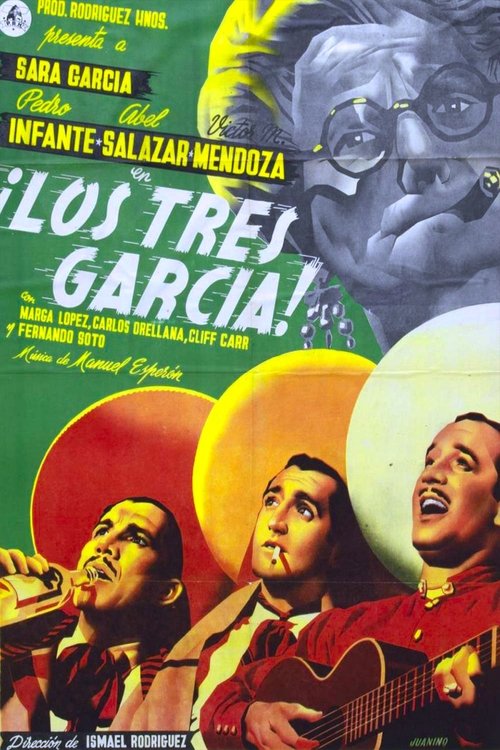
1947
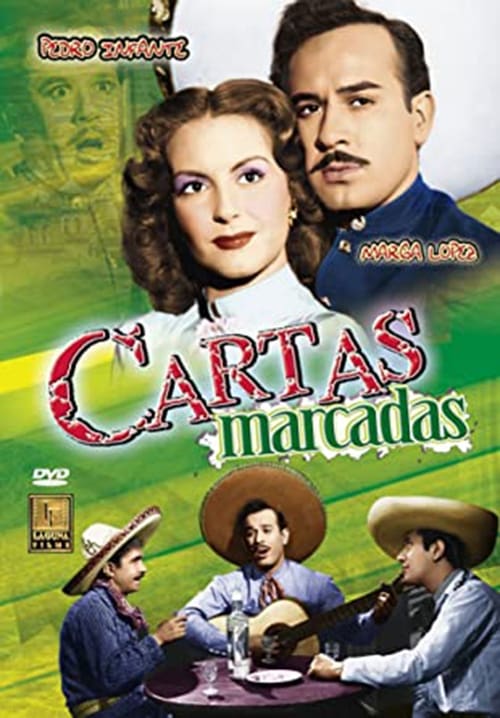
1948
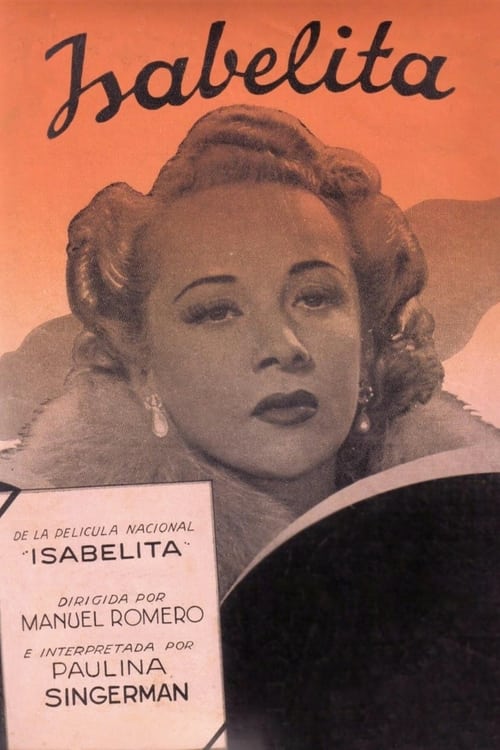
1940

1948

1945
No reviews yet. Be the first to share your thoughts on this movie!
Use the rating form above to leave a star rating and optional review.