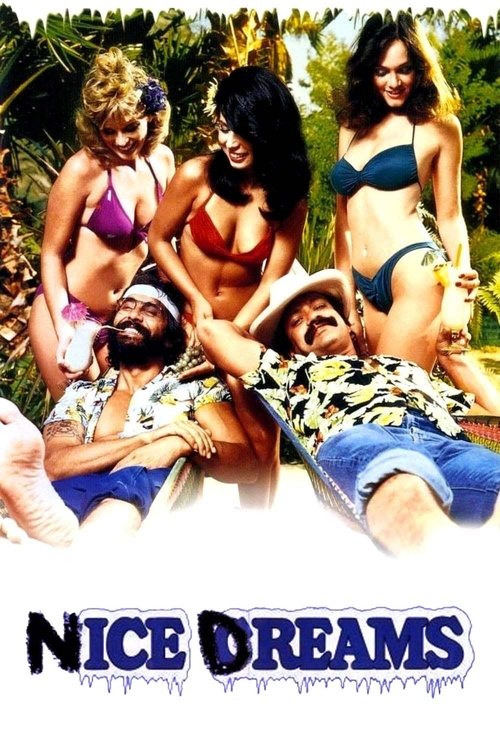
Nice Dreams
1981
No user ratings available yet
Diversity score: 4.0 out of 10
1972
RDirector
Vernon Zimmerman
Runtime
93 minutes
Average Rating
No ratings yetSynopsis
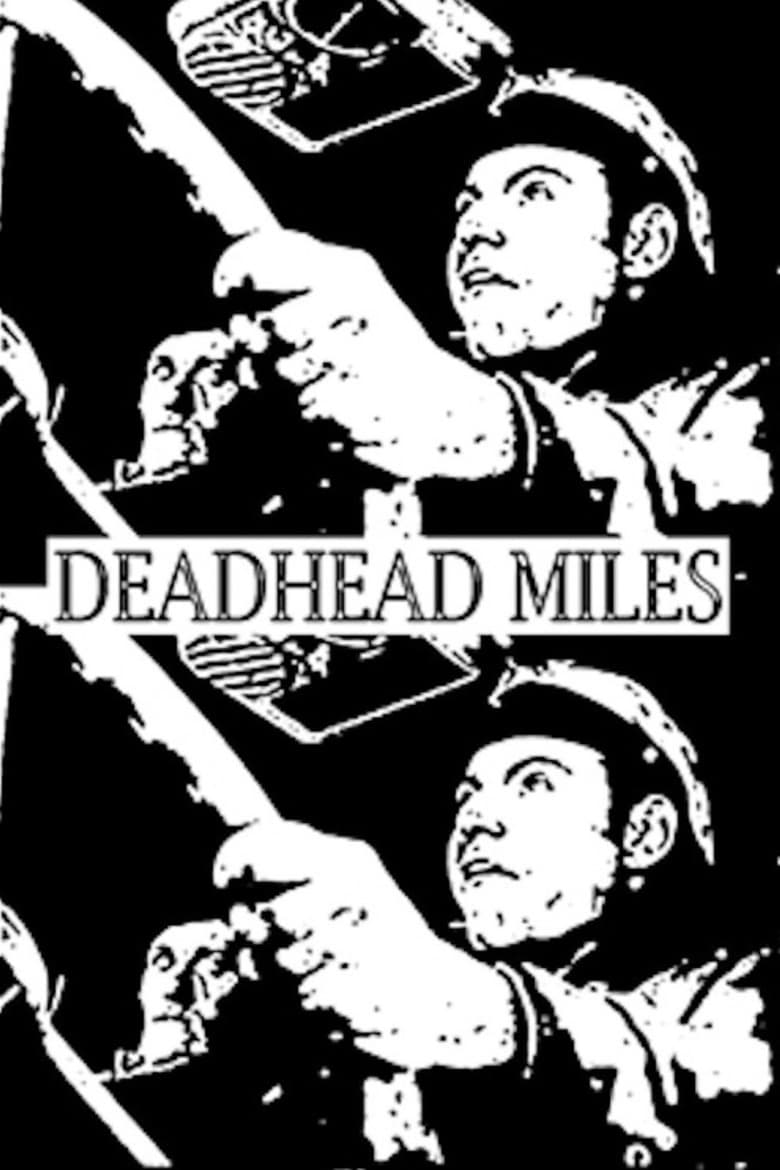
A long-distance trucker, dressed like a sea captain, aimlessly sails the American highways in his 18 wheeler mumbling manic, southern accented non sequiturs; carnivalizing roadside stops and happenstance towns while out-weirding cops and weigh stations with his new cryptic, over-coated hitchhiker buddy.
Overall Score
Fair
Category Breakdown
LGBTQ+ Representation
The film lacks explicit depictions of LGBTQ+ identities or romantic pairings. While the bond between the trucker and his hitchhiker is central, the nature of their relationship remains ambiguous.
Gender Representation
The story centers on a male-dominated environment within the trucking industry. The narrative focuses on male characters and lacks female figures with agency or significant presence.
Racial & Ethnic Diversity
The setting focuses on the American interior and roadside stops. There is no specific evidence of racial diversity or non-white casting within the provided narrative details.
Religious & Cultural Diversity
The film celebrates social outliers and anti-authoritarianism. By portraying a protagonist who disrupts institutional order and rejects traditional productivity, it offers a unique cultural perspective.
Disability Representation
The protagonist's manic, mumbling behavior may suggest neurodivergent traits. However, it is unclear if these are portrayed with depth or used simply as comedic devices.
Strengths
Areas for Improvement
AI Analysis
Deadhead Miles is a character-driven study of eccentricity that prioritizes the disruption of social decorum over intersectional representation. Its primary strength lies in its anti-authoritarian spirit, using a non-conformist protagonist to challenge institutional norms and capitalist expectations. However, the film operates within a narrow demographic framework. The narrative is heavily centered on male characters and lacks visible diversity in terms of race, gender, or explicit LGBTQ+ identities. This creates a vacuum of intersectional perspectives. Ultimately, while the film succeeds as a celebration of the social outsider, it fails to provide a broad or inclusive representation of the human experience, remaining tethered to a masculine-centric, singular viewpoint.
1981

1966
1966

1991
1977
1976
1986
1970

2020
2008

2008

2015
No reviews yet. Be the first to share your thoughts on this movie!
Use the rating form above to leave a star rating and optional review.