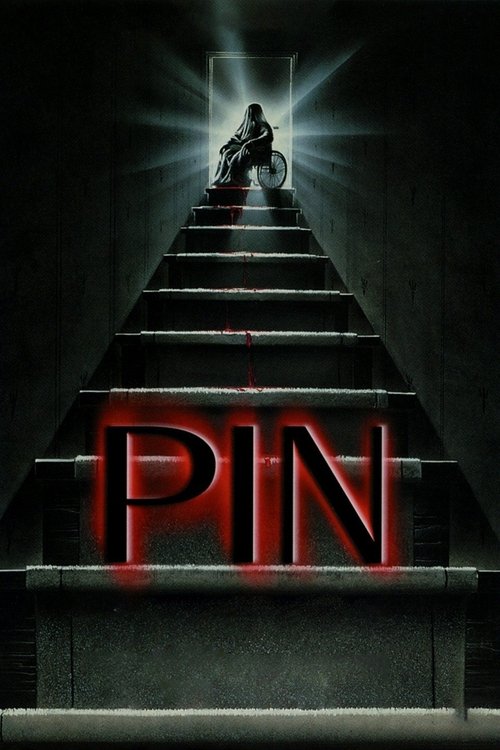
Pin : A Plastic Nightmare
1988
No user ratings available yet
Representation score: 3.9 out of 10
Representation Score
Good
1981
RDirector
William Asher
Runtime
96 minutes
Average Rating
No ratings yetNew Showbiz Analysis
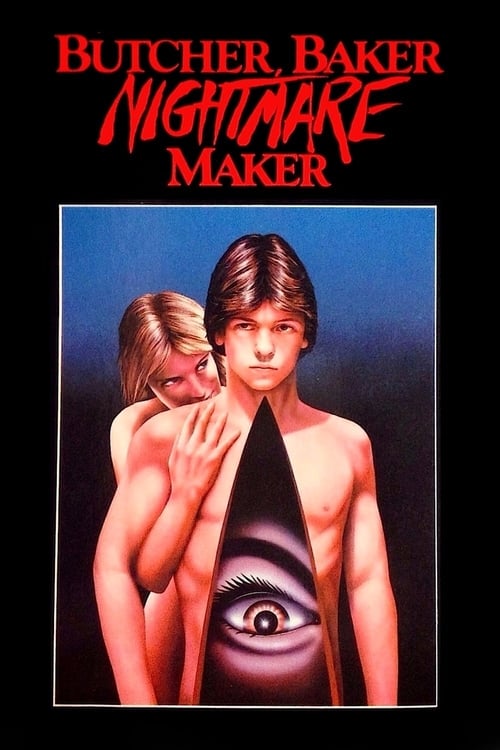
Butcher, Baker, Nightmare Maker stands out for its psychological subversion of social structures. It successfully challenges traditional gender roles and the idealized family unit by presenting unconventional, obsessive attachments. While the film pushes boundaries regarding identity and domesticity, it remains limited by the era's lack of racial diversity. The ensemble is largely homogeneous, missing opportunities for characters who reflect more than one aspect of diversity. Ultimately, the film is a genre piece that trades traditional social stability for a nightmarish exploration of unstable identities and non-normative bonds.
Category Breakdown
The film examines psychological connections that defy traditional expectations, focusing on desires that go beyond conventional marital structures. This subtextual exploration offers a significant departure from typical binary depictions.
Cheryl is a strong protagonist who drives the plot through her intelligence and determination. However, the narrative relies on the period-specific cliché of using madness to justify female empowerment.
The cast is predominantly homogeneous, reflecting the demographic norms of early 1980s American thrillers. The film lacks visible multi-layered casting or diverse ethnic perspectives.
The story deconstructs the nuclear family by portraying maternal bonds as sources of obsession and violence. It challenges the sanctity of the Western family unit through moral relativism.
Mental instability serves as a central driver for the plot and character empowerment. However, the film often uses neurodivergence primarily as a tool for suspense and horror.
Present on Screen
Limited or Absent
Official Synopsis
Rejected by her lover, the only man left in Cheryl's life is the orphaned nephew she has raised as her own son. She'll stop at nothing to keep Billy with her. When her plans misfire, she is swept up into an insane frenzy that means death to anyone who comes between her and her obsession. But the investigating detective is convinced that Billy is the real killer - and determined to prove it. Madness and fanaticism work together to drag all concerned into a terrifying vortex of blood-letting that adds a nightmarish twist to the classic Oedipus story.
1988
1964
1987
1956

2009

1973

1990
1976
No reviews yet. Be the first to share your thoughts on this movie!
Use the rating form above to leave a star rating and optional review.