
Beneath the Skin
1981
No user ratings available yet
Representation score: 6.7 out of 10
Representation Score
Fair
1980
Director
Frieda Liappa
Runtime
25 minutes
Average Rating
No ratings yetNew Showbiz Analysis
Refused (1980) functions as an experimental horror piece that prioritizes intellectual subversion over broad demographic representation. Its strength lies in its structural approach to history and its focus on a female protagonist's internal life. The film disrupts traditional genre expectations by making a young woman's academic and psychological struggles the central subject. However, it lacks explicit representation of LGBTQ+ identities or diverse racial casting. The narrative's focus remains largely on the protagonist's subjective experience and the deconstruction of historical texts.
Category Breakdown
The film does not show any LGBTQ+ identities or same-sex relationships. It focuses on the protagonist's mental state and academic studies.
Loukia, a female protagonist, drives the story through her intellectual engagement with history. This positions her as an active character rather than a passive victim, challenging traditional horror clichés.
Set in Athens, the film focuses on a local Greek context. While it avoids presenting a monolithic perspective through symbolic storytelling, there is no specific evidence of a multi-ethnic cast.
The film critiques authoritative historical truths by presenting history as a multidimensional construct. This approach challenges the Western institution of the official historical record.
There is no information available regarding the portrayal of physical or neurodivergent disabilities in this work.
Present on Screen
Limited or Absent
Official Synopsis
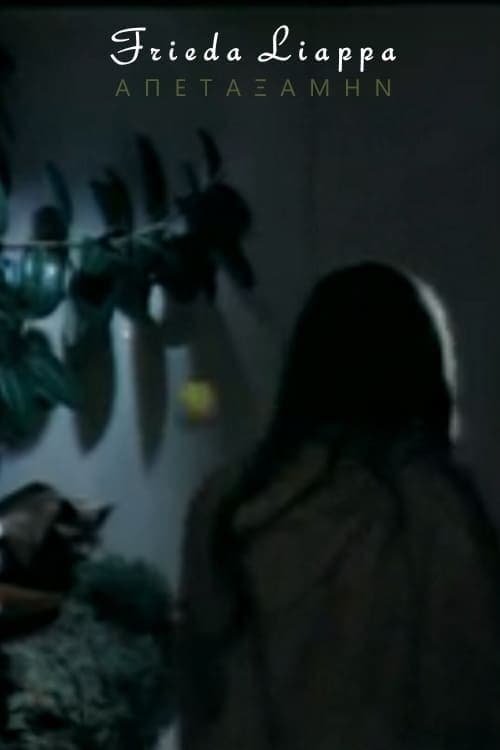
Frieda Liappa in this short film casts an alternative gaze on the notion of historicity. Loukia is a teenager currently staying at her cousin’s house in Athens. Unlike her cousin she is timid and quite stressed for the school exam. She studies history. Between the lines of her book the historical events sprung up in a multidimensional way. Liappa transverses the dimensions of the real the imaginary and the symbolic. She invites the viewer to consider the construction of the filmic as well as the historical text. She succeeds in making a film with an open end and to leave room for our own contingent constructions.
1981

1922

2000
1973
2013

2021

1966

2020
No reviews yet. Be the first to share your thoughts on this movie!
Use the rating form above to leave a star rating and optional review.