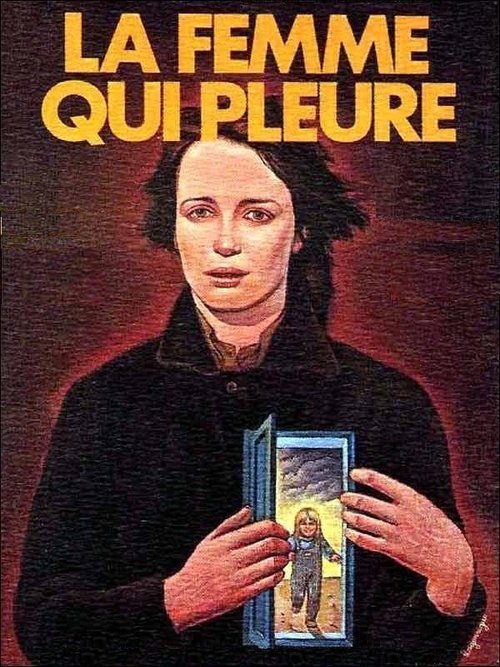
The Crying Woman
1979
No user ratings available yet
Diversity score: 4.6 out of 10

1990
Director
Nicole Garcia
Runtime
104 minutes
Average Rating
No ratings yetSynopsis
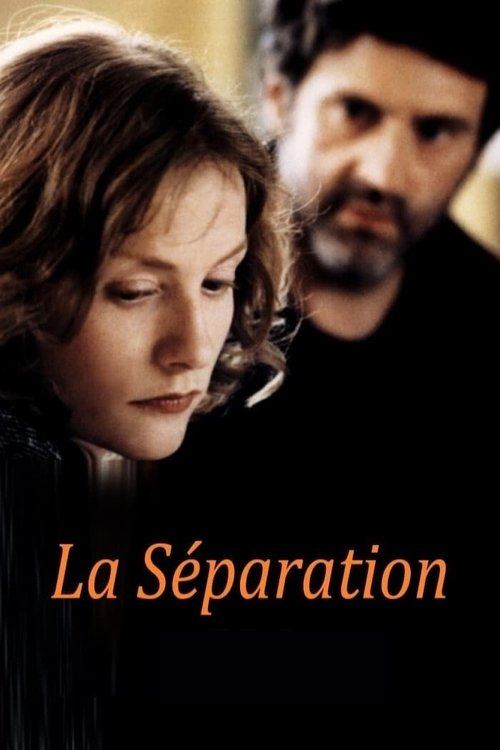
Camille, a mercurial César-winning actress, has seen better times. Estranged from her husband, she's with her children only every other weekend. It's her weekend, but her agent has booked her to MC a Rotary club dinner in Vichy. She takes them with her, and when her husband learns this, he demands to pick them up at once. She bolts in a rented car to the seaside, trying to improve her relations with the children, especially the precocious and distant Vincent. He loves astronomy. A rare meteor shower is due in a few days, so she suggests they go to a plateau in Spain hoping to see it. He agrees, but the relationship remains difficult, and her husband is on their trail.
Overall Score
Fair
Category Breakdown
LGBTQ+ Representation
The film centers on a traditional heteronormative family structure. There is no evidence of non-cisnormative identities or narratives critiquing heteronormativity.
Gender Representation
The story centers on a female protagonist with significant professional status. It explores female agency by portraying a flawed, autonomous woman rather than a submissive archetype.
Racial & Ethnic Diversity
The narrative appears to focus on a homogeneous Western European cast. There is no indication of significant racial blending or marginalized ethnic backgrounds.
Religious & Cultural Diversity
The film follows a traditional Western dramatic structure. It avoids idealized family tropes by depicting parenthood as a source of friction and emotional labor.
Disability Representation
There is no evidence regarding the portrayal of physical or neurodivergent disabilities.
Strengths
Areas for Improvement
AI Analysis
Every Other Weekend is a character study that prioritizes psychological realism over demographic variety. It succeeds in deconstructing the 'perfect mother' archetype through Camille's mercurial and professional persona. The film's focus remains on the internal friction of a fractured domestic unit. While it offers a nuanced look at female autonomy, it lacks breadth in terms of racial and LGBTQ+ representation. Ultimately, the work functions as a grounded domestic drama. It trades systemic critique for a deep, subjective exploration of interpersonal distance and maternal instability.
1979
1958
1999

2006
2000

2008

1992

1988
2012

2003
1994

1982
No reviews yet. Be the first to share your thoughts on this movie!
Use the rating form above to leave a star rating and optional review.