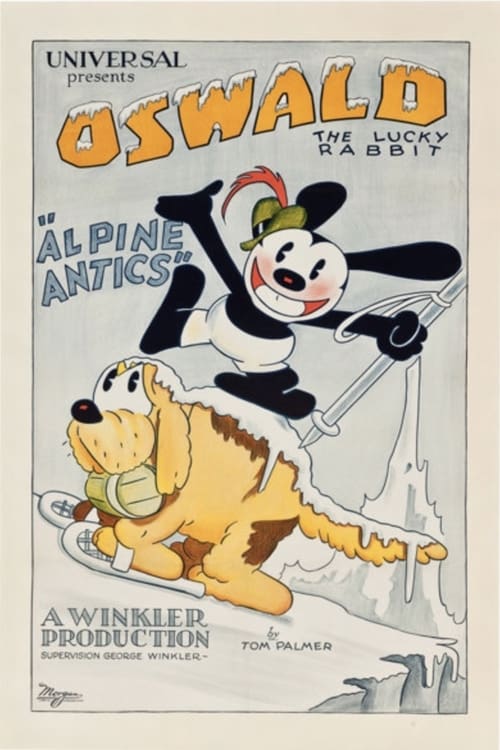
Alpine Antics
1929
No user ratings available yet
Representation score: 0.8 out of 10

Representation Score
Minimal
1922
Director
Otto Messmer
Runtime
7 minutes
Average Rating
No ratings yetNew Showbiz Analysis
Felix Comes Back is a silent-era animated short that relies on the classic trickster archetype. The narrative focuses on a conflict between a resourceful protagonist and a localized authority figure, using slapstick humor to navigate systemic opposition. While the film lacks complexity in terms of diverse identities, it subtly critiques traditional power structures. The butcher's decision to exile Felix to the Arctic for a minor issue highlights a disproportionate response to perceived disorder. Ultimately, the film's diversity is limited by its historical context and narrow narrative scope, emphasizing character-driven action over social representation.
Category Breakdown
The film does not include any characters with LGBTQ+ identities or subtext suggesting non-straight relationships. The conflict revolves around a single protagonist and antagonist.
The story follows a male-centric perspective typical of the 1920s era. Although it doesn't explore gender nuances, the protagonist's struggle against authority challenges established power structures.
There is no indication of a diverse cast or engagement with racial themes. The setting is unspecified and localized.
The film examines situational ethics through the protagonist's quest for the butcher's sausages. The butcher's extreme reaction to a minor issue suggests a critique of excessive institutional authority.
The provided context contains no evidence of characters with visible or invisible disabilities.
Present on Screen
Limited or Absent
Official Synopsis
Felix goes after a butcher's sausages and captures them, but the butcher catches him and sends him to the Arctic to get rid of him.
1929
1916
1926
1926
1931
1926

1932
1927
No reviews yet. Be the first to share your thoughts on this movie!
Use the rating form above to leave a star rating and optional review.