
Department Store
1939
No user ratings available yet
Representation score: 1.4 out of 10
Representation Score
Fair
1956
Director
Samson Samsonov
Runtime
84 minutes
Average Rating
No ratings yetNew Showbiz Analysis
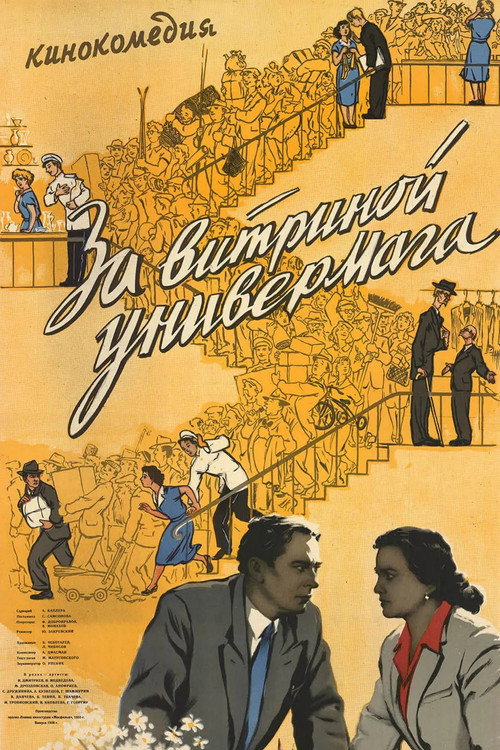
Behind Show Windows is a period-specific social comedy that reflects the cultural norms of 1950s Soviet cinema. It lacks modern markers of diversity such as LGBTQ+ visibility or racial diversity, which results in a lower overall score. However, the film finds strength in its portrayal of female professional empowerment. By placing a woman in a leadership role as a factory director, the story moves beyond traditional domestic roles. Ultimately, the film's cultural value lies in its focus on communal labor and socialized structures. It presents a worldview where systemic stability and collective work are the primary moral drivers.
Category Breakdown
The film does not include any representation of LGBTQ+ identities or non-binary gender characters. It focuses on traditional heterosexual and cisgender relationships.
Anna Andreevna stands out by challenging passive female stereotypes. She actively influences the plot as a factory director, showcasing strong professional influence.
The film reflects the demographic uniformity of its time period. It portrays a standard urban Soviet environment without diverse ethnic representation.
The story emphasizes collective social structures over individualistic consumerism. It centers on the tension between state-controlled production and retail versus Western capitalist ideals.
There is no mention of characters with physical or neurodivergent disabilities in the narrative.
Present on Screen
Limited or Absent
Official Synopsis
A funny story about a life of a big department store and its employees and customers.
1939
1977
1983
1940
1938

1977

1959

1935
No reviews yet. Be the first to share your thoughts on this movie!
Use the rating form above to leave a star rating and optional review.