Zero for Conduct
1933
No user ratings available yet
Representation score: 4.8 out of 10
Representation Score
Fair
1946
Director
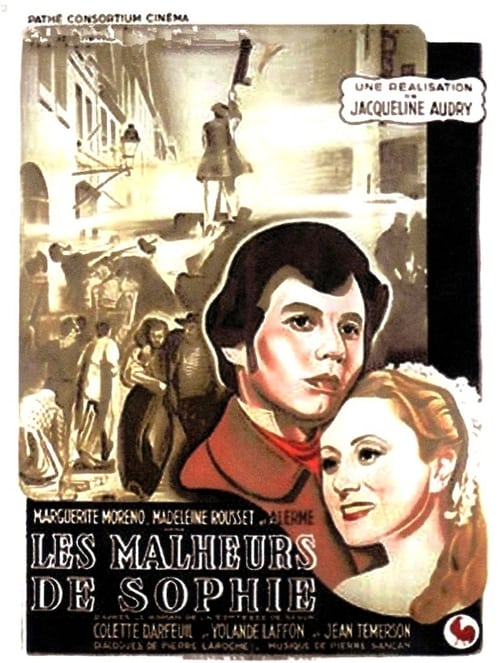
Jacqueline Audry
Runtime
95 minutes
Average Rating
No ratings yetNew Showbiz Analysis
Jacqueline Audry’s direction highlights the tension between personal desires and societal norms, particularly through Sophie’s character. By focusing on a rebellious female protagonist, the film successfully challenges traditional gender roles. However, the film’s historical and social uniformity limits its reach. The absence of racial diversity and explicit LGBTQ+ representation prevents it from achieving a higher score, despite its strong themes of rebellion and anti-authoritarianism.
Category Breakdown
The story focuses on heterosexual relationships between Sophie, Paul, and Armand. There is no explicit depiction of LGBTQ+ identities, though the governess role might hint at underlying tensions.
Sophie challenges traditional gender roles by defying mid-19th-century expectations for women. Her defiance of authority subverts the typical portrayal of a submissive female lead.
The film depicts a homogeneous Western society with no indication of diverse ethnic backgrounds or non-white actors in key roles.
Paul is portrayed as a revolutionary, challenging rigid social structures and traditional stability. This critique of established order aligns with anti-establishment sentiments.
There is no depiction of visible or invisible disabilities among the main characters.
Present on Screen
Limited or Absent
Official Synopsis
Sophie de Réan, an unruly mischievous little girl grows up under the thumb of Mademoiselle, her strict governess. Following her mother's death, she is entrusted to Mme de Fleurville, her aunt, who at the same time hires Mademoiselle to further Sophie's education. A few years later, the little girl has blossomed into a lovely young lady. She is now in love with Paul, her cousin, who, unlike her, used to be a model child. Unfortunately Mademoiselle will not hear of a union between them. Instead she wants Sophie to marry Armand, the conceited son of Prefect Hugon. To make matters worse, Paul, the good boy, unexpectedly turns into a revolutionary, who defends the Republic on the barricades against Louis Napoléon's coup. Not being one of the victors, Paul is forced into exile. Will Sophie finally yield and accept the established order or will she react in her usual rebellious way and follow the one she loves ?
1933

1958
1939

1955
1961
1934

1944

1941
No reviews yet. Be the first to share your thoughts on this movie!
Use the rating form above to leave a star rating and optional review.