Hitler's SS: Portrait in Evil
1985
No user ratings available yet
Representation score: 5.6 out of 10
Representation Score
Limited
2005
Director
Nicholas Renton
Runtime
92 minutes
Average Rating
No ratings yetNew Showbiz Analysis
Uncle Adolf serves as a historical critique that challenges traditional narratives of powerful male leaders. By focusing on the personal and domestic impacts of Hitler's actions, the film moves away from typical 'Great Man' history. However, the film's historical context limits its representation of racial and LGBTQ+ diversity. Ultimately, the work offers a nuanced look at the personal and societal costs of extremism.
Category Breakdown
The film focuses on unhealthy heterosexual relationships between men and women, without including any LGBTQ+ narratives or non-binary identities.
The movie centers on the experiences of women living under a strict patriarchal system, highlighting the emotional impact on individuals like Geli Raubal.
The story is set in a time when the cast was predominantly white Europeans, with no inclusion of diverse ethnic backgrounds or race-bent casting.
The film critiques extreme nationalist ideologies and traditional Western power structures by showing the psychological instability of the leader.
The movie does not feature any characters dealing with physical or neurodivergent disabilities, even though psychological instability is a theme.
Present on Screen
Limited or Absent
Official Synopsis
A young girl becomes the great love of the Nazi leader's life. It spans the years between 1929 and 1945, and focuses on Hitler's obsessive relationship with his niece Geli Raubal, which eventually led to the girl's suicide, then goes on to tell the story of how Eva Braun became his wife.
1985

2009
2007
2003
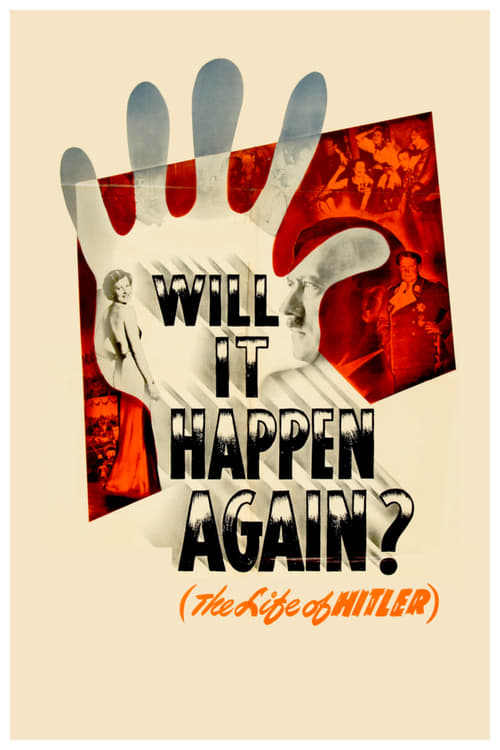
1948
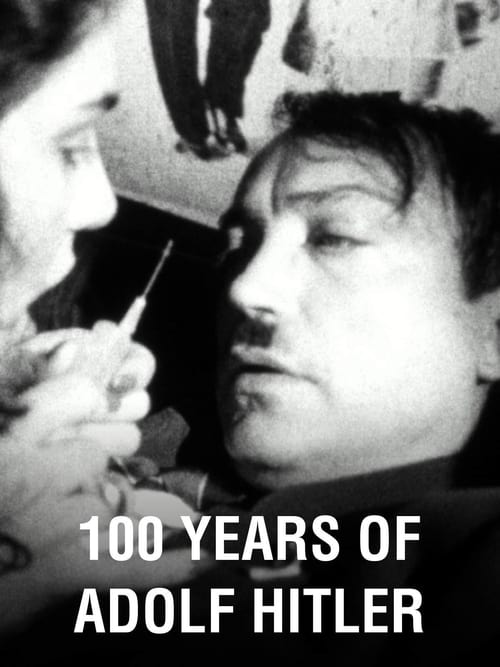
1989
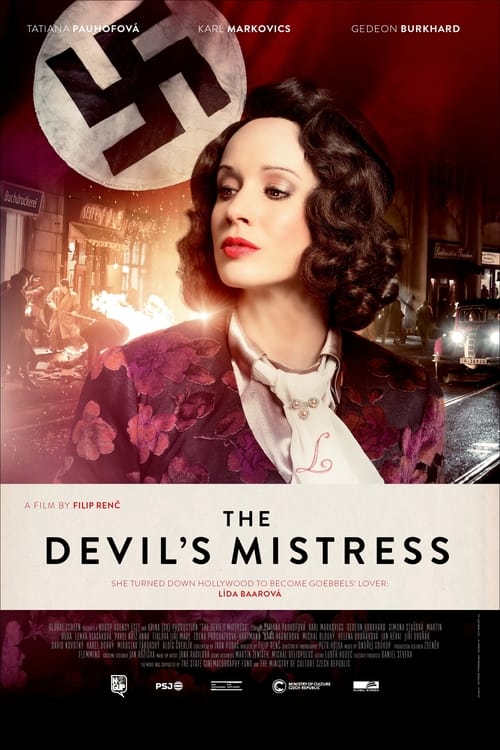
2016
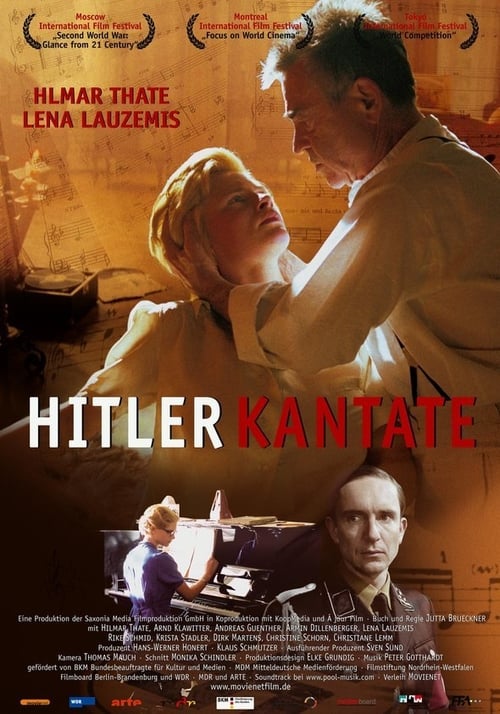
2005
No reviews yet. Be the first to share your thoughts on this movie!
Use the rating form above to leave a star rating and optional review.