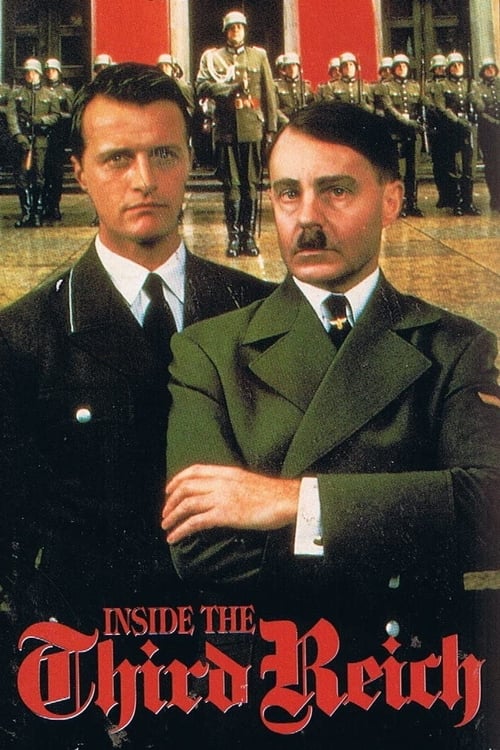
Inside the Third Reich
1982
No user ratings available yet
Representation score: 4.1 out of 10

Representation Score
Fair
1985
NRDirector
Jim Goddard
Runtime
150 minutes
Average Rating
No ratings yetNew Showbiz Analysis
Jim Goddard’s docudrama prioritizes the historical documentation of systemic evil over progressive identity politics. Using archival footage and dramatization, the film exposes how totalitarian regimes exploit social hierarchies against underrepresented groups. The narrative often portrays underrepresented groups through the lens of victimhood, which limits scores in LGBTQ+ and gender representation. However, it provides a necessary, unflinching look at the era's atrocities. Ultimately, the film's strength lies in its cultural critique. It deconstructs the corruption of state power and refuses to romanticize the traditional hierarchies that facilitated the Holocaust.
Category Breakdown
The film highlights the Nazi regime's persecution of homosexual individuals, showing them primarily as victims of state-sponsored oppression rather than central characters. It lacks active representation for LGBTQ+ individuals.
Women are mainly shown in domestic roles or as passive victims of the regime. The narrative reflects the rigid, patriarchal, and militaristic structures of 1930s Germany without challenging these norms.
The cast is predominantly white/German, focusing on the internal workings of the Third Reich. Racial diversity is limited to the depiction of Jewish populations and ethnic minorities as victims of systemic targeting.
The film critiques Western institutions, nationalism, and legal corruption. It portrays the breakdown of traditional morality and the dangers of hyper-nationalism and extremist ideologies.
The film focuses on the T4 program and the genocide of individuals with disabilities, providing visibility to this group. However, the representation centers on their status as victims of state-sanctioned violence.
Present on Screen
Limited or Absent
Official Synopsis
The two-part TV movie Hitler's SS: Portrait in Evil crystallizes that evil by concentrating on two Berlin brothers. In 1931, Helmut Hoffman a brilliant student and self-styled opportunist, joins Hitler's SS. At the same time, his younger brother Karl, a top athlete and idealist, becomes a chauffeur for the "S.A.".
1982

2004
2020

2001
1990

2016

1965
1962
No reviews yet. Be the first to share your thoughts on this movie!
Use the rating form above to leave a star rating and optional review.