
Hitler in Colour
2005
No user ratings available yet
Representation score: 1.1 out of 10
Representation Score
Minimal
2007
Director
Daniel Costelle, Isabelle Clarke
Runtime
71 minutes
Average Rating
No ratings yetNew Showbiz Analysis
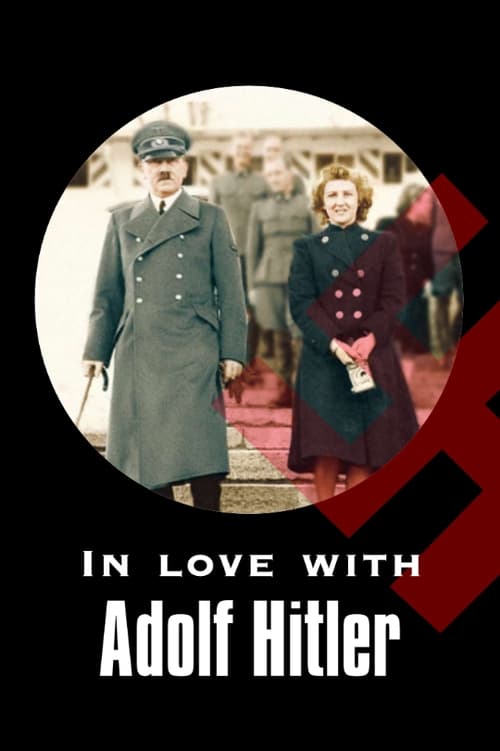
This documentary is a historical study of the relationship between Adolf Hitler and Eva Braun. Because it is rooted in the reality of the Third Reich, the narrative is constrained by the rigid social hierarchies of the 1930s and 1940s. The film functions as a record of a period characterized by the absence of progressive representation, documenting the enforcement of discriminatory social structures rather than attempting to challenge them. Ultimately, the low diversity score is a reflection of the subject matter, which is inextricably linked to the exclusionary ideologies of the Nazi party.
Category Breakdown
The documentary focuses on a documented heterosexual relationship and does not include narratives about non-binary gender identities or critiques of the assumption that everyone is straight or cisgender.
The film offers visibility to Eva Braun, providing a lens into the female experience under totalitarianism. However, power dynamics remain heavily skewed towards the male subject.
The subject matter is tied to a period of extreme racial homogeneity and state-sponsored hierarchy. It documents an era defined by the exclusion of non-white identities.
The film explores the intersection of personal intimacy and extreme nationalist ideology. It documents a highly exclusionary cultural era rather than promoting progressive frameworks.
There is no evidence that neurodivergence or physical disabilities are central themes. The film does not address these topics through a lens of ability to act.
Present on Screen
Limited or Absent
Official Synopsis
This film captures the affair, full of love, lust, and despair, between Adolf Hitler and Eva Braun, from 1932 until their double suicide in 1945.
2005
1999
2008
2009
1962
2015

1974

2012
No reviews yet. Be the first to share your thoughts on this movie!
Use the rating form above to leave a star rating and optional review.