
Epiphany
2019
No user ratings available yet
Representation score: 4.0 out of 10
Representation Score
Limited
2017
Director
Ian Lang
Runtime
50 minutes
Average Rating
No ratings yetNew Showbiz Analysis
OK is a character-driven drama that emphasizes psychological depth and moral complexity over broad demographic representation. The film's primary value lies in its rejection of binary morality, favoring a subjective understanding of human experiences. While the narrative structure suggests a move toward moral relativism, the film lacks clear evidence of multi-layered casting. The scope of representation remains focused on a domestic, father-son dynamic. Ultimately, the film serves as a study of grief and personal upheaval. It aims to disrupt conventional social binaries through its thematic emphasis on the complexity of the human experience.
Category Breakdown
The film doesn't explicitly confirm any LGBTQ+ characters or non-assuming gender matches what was assigned at birth identities. However, its focus on individual stories hints at a potential openness to diverse identities.
The story centers on a father and son dealing with grief. This focus on emotional vulnerability offers a nuanced departure from traditional, stoic masculine archetypes.
The cast and synopsis don't indicate a non-white majority or intentional characters who reflect more than one aspect of diversity. The drama seems to be a localized, domestic story.
The narrative challenges singular moralities by highlighting unique personal stories. This promotes a relativistic worldview rather than rigid social structures.
There is no indication within the film's description of characters with physical, neurodivergent, or mental health disabilities.
Present on Screen
Limited or Absent
Official Synopsis
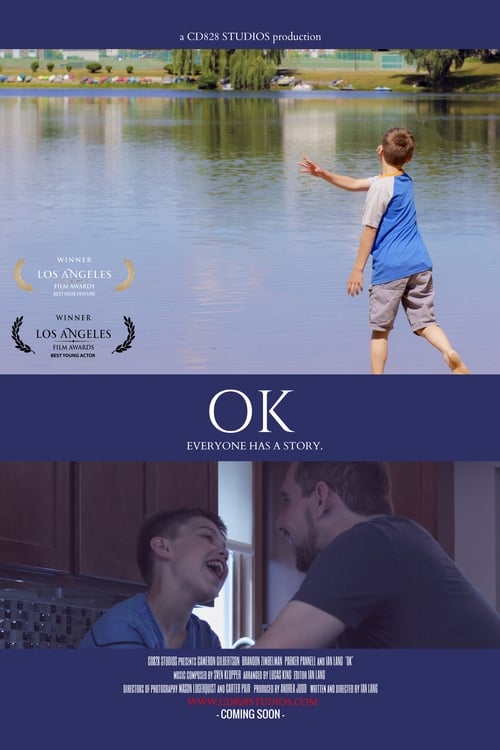
In the wake of his Mother's death, young Matthew and his Father seek to overcome their grief by moving to a new town to get a 'fresh start', unfortunately, being the 'new kid' is not easy, and Matt quickly finds himself learning that life is not so black and white because 'Everyone has a story'
2019

2017

2000

2008

1998

2003

2024

2004
No reviews yet. Be the first to share your thoughts on this movie!
Use the rating form above to leave a star rating and optional review.