Dog Gone Modern
1939
No user ratings available yet
Representation score: 0.1 out of 10
Representation Score
Minimal
1940
ApprovedDirector
Friz Freleng
Runtime
8 minutes
Average Rating
No ratings yetNew Showbiz Analysis
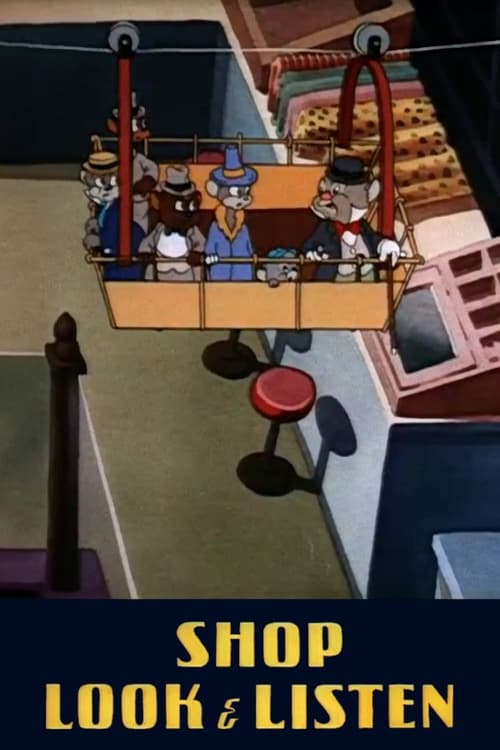
Shop Look & Listen is a fast-paced slapstick animation that emphasizes gag-driven humor over social issues. The plot revolves around a tour of a department store by mice, using personified objects like robots and automated ashtrays to create laughs. Because the cast includes non-human entities and mechanical items, the film doesn't have a framework for representing human identities. It sticks to the traditional comedic and consumerist themes of the 1940s. Ultimately, the film serves as a nostalgic entertainment piece. It doesn't aim to explore diverse or intersecting identities, focusing instead on rhythmic timing and situational absurdity.
Category Breakdown
The short focuses on anthropomorphic mice and inanimate objects. There are no LGBTQ+ characters or stories about non-straight or non-cisgender identities.
The story centers on objects and mice, creating a mostly gender-neutral setup. There are no prominent female characters to assess.
Humor includes a painting changing to 'The Last of the Mohicans.' These jokes serve as humor rather than meaningful exploration of ethnic backgrounds.
Set in a traditional Western department store, the film celebrates a whimsical shopping experience without questioning Western commercial or religious norms.
The film features animated animals and machines. No characters with physical or mental disabilities are shown.
Present on Screen
Limited or Absent
Official Synopsis
J.T. Gimlet's department store is closed, and the mice are going on a tour, led by the same W.C. Fields mouse as in Little Blabbermouse. First, the shoe department, where we see mules, both red and green, who pop out of the box and bray at us. Next, the artworks: Whistler's Mother proves to be a good whistler herself; The Thinker is puzzling over his tax return; a painting that starts with two Indians becomes The Last of the Mohicans. In housewares, an automatic ashtray deals with a cigar (prompting a string of babble from Blabbermouse). An automated poker table plays the whole game, complete with the requisite ace-up-the-sleeve. And finally, the gift-wrap department, which includes one robot to measure out ribbon and another to wrap packages. This prompts another string of babble from Blabbermouse, which gets *him* wrapped up (and, when that's not enough, slapped with a "Do Not Open Until Xmas" sticker on his mouth).
1939
1964
1955
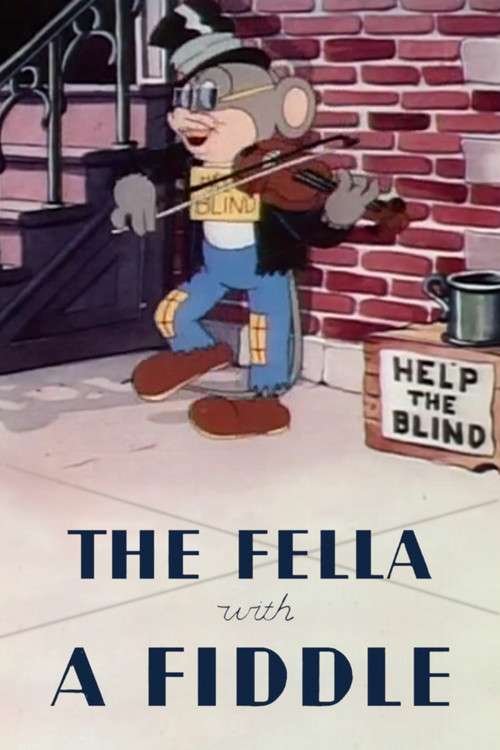
1937
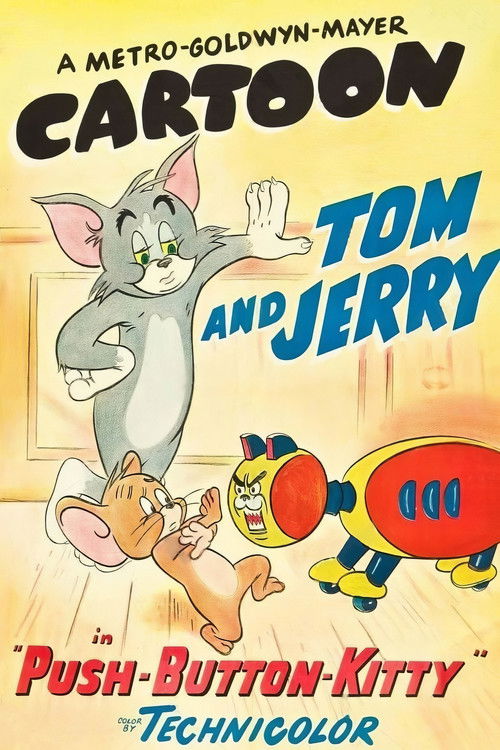
1952
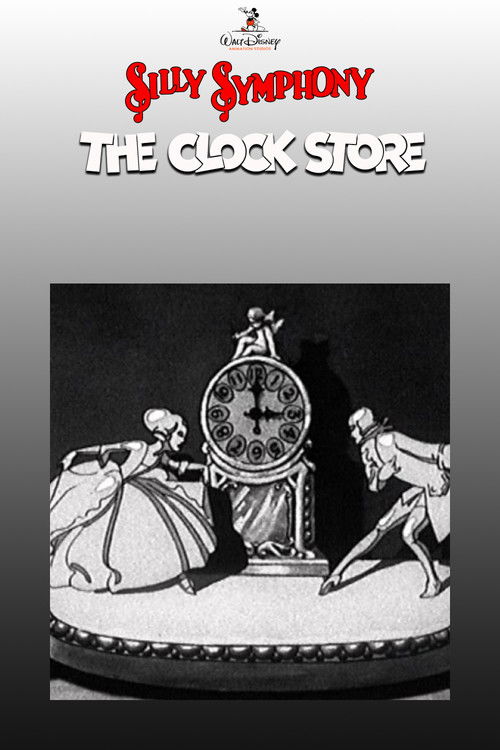
1931
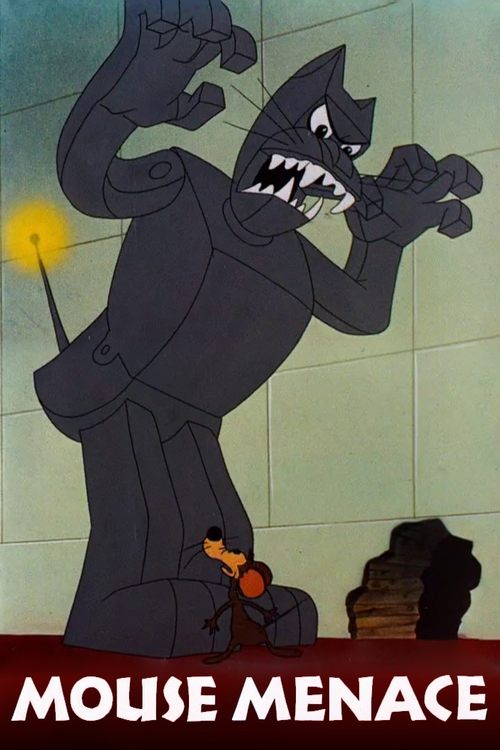
1946
1952
No reviews yet. Be the first to share your thoughts on this movie!
Use the rating form above to leave a star rating and optional review.