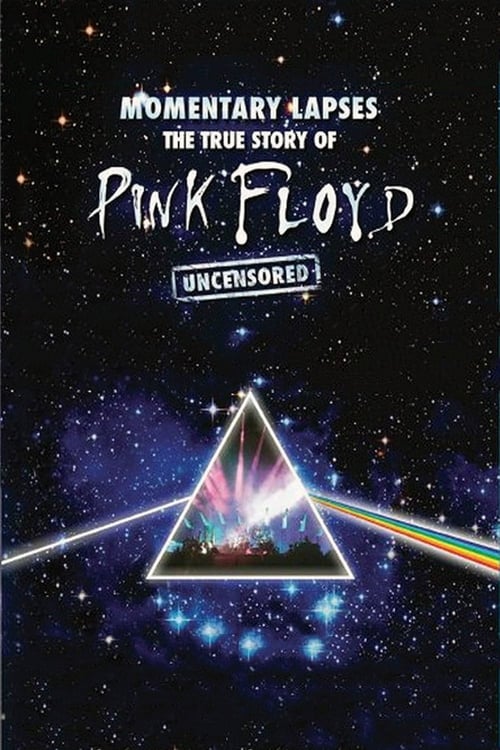
Pink Floyd: Momentary Lapses - The True Story of Pink Floyd
2010
No user ratings available yet
Representation score: 2.8 out of 10
Representation Score
Fair
2011
Director
Sonia Anderson
Runtime
80 minutes
Average Rating
No ratings yetNew Showbiz Analysis
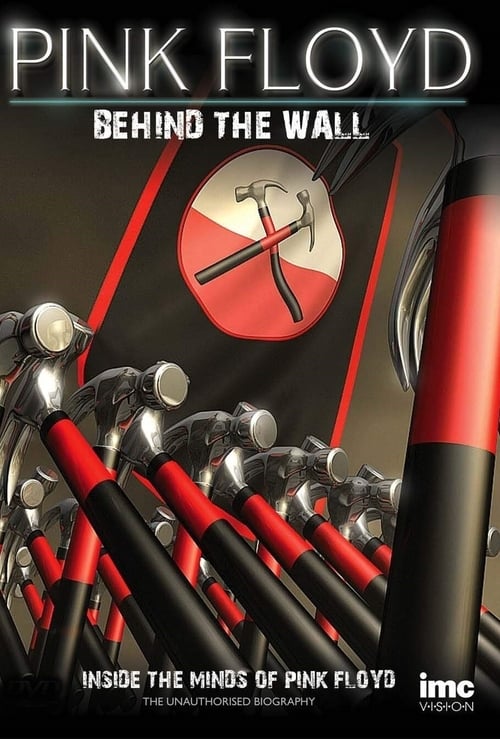
Pink Floyd: Behind the Wall serves as a historical archive of a specific musical movement rather than a study in diverse representation. The film's content is deeply rooted in the demographic realities of the 1980s British rock scene, which remains largely homogeneous. While the documentary lacks intentional diversity in its cast, it finds depth in its exploration of psychological themes. The focus on Syd Barrett provides a window into mental health struggles and the impact of cognitive instability on professional life. Ultimately, the film prioritizes technical and biographical accuracy over social subversion. It documents a specific cultural moment without actively seeking to expand the representation of underrepresented identities.
Category Breakdown
The documentary focuses on the technical and biographical history of Pink Floyd. It does not include explicit narratives or characters addressing LGBTQ+ identities.
The narrative centers on the male members of the band and their professional dynamics. It does not provide significant roles for female perspectives or challenge gender hierarchies.
The film chronicles a specific era of British rock history featuring a predominantly white cast. It reflects the demographic homogeneity of the 1980s music scene.
The film explores themes of alienation and the deconstruction of societal structures. This thematic focus offers a complex view of societal institutions and isolation.
The documentary touches on mental health through the lens of Syd Barrett’s decline. It examines how cognitive instability impacted his professional life and the band's composition.
Present on Screen
Limited or Absent
Official Synopsis
This documentary looks at the conception, design and live shows of The Wall performed by Pink Floyd in 1980 and 1981. It features in-depth 1980s era interviews with Roger Waters, David Gilmour, Richard Wright and Nick Mason and shows footage of The Wall performed at Earl's Court in 1980. It also features archival footage of the Syd Barrett era Pink Floyd and discusses how David Gilmour was brought into the band to initially augment their live shows when Syd became unreliable due to his drug problem and how Gilmour ultimately replaced him.
2010
2021
2012

2021

2003
2010
2023
2011
No reviews yet. Be the first to share your thoughts on this movie!
Use the rating form above to leave a star rating and optional review.