Valley of Terror
1937
No user ratings available yet
Diversity score: 2.5 out of 10
1936
ApprovedDirector
Albert Herman
Runtime
60 minutes
Average Rating
No ratings yetSynopsis
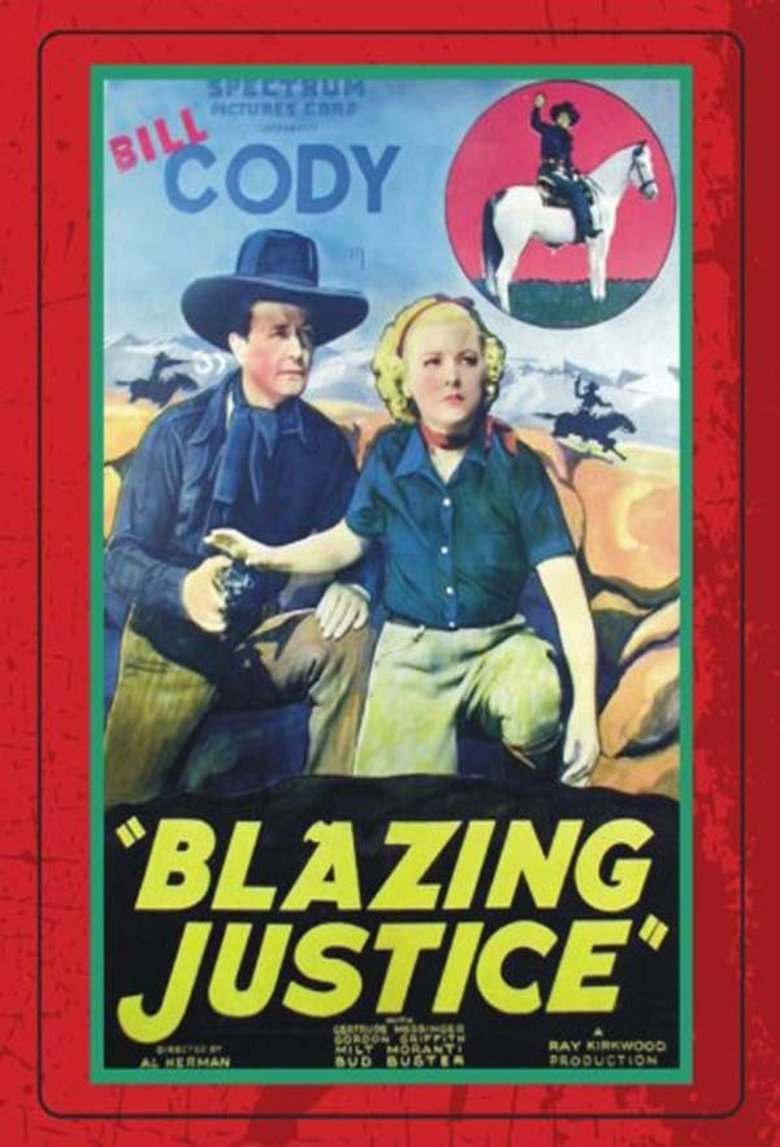
A cowboy captures two rustlers and collects a $5000 reward. Using the money to take a vacation, he winds up getting accused of a murder he didn't commit.
Overall Score
Limited
Category Breakdown
LGBTQ+ Representation
The film follows a traditional Western trajectory centered on a singular male protagonist. There is no evidence of non-cisnormative identities or same-sex intimacy.
Gender Representation
Action and justice are driven by a male cowboy. The plot relies on traditional masculine agency and lacks any indication of subverting gender hierarchies.
Racial & Ethnic Diversity
The film conforms to the era's standard of racial homogeneity. It lacks evidence of a non-Anglo-Saxon majority cast or characters of color with high agency.
Religious & Cultural Diversity
The story aligns with traditional Western values of law and individualist merit. It utilizes frontier economy mechanics and judicial processes as primary drivers.
Disability Representation
The narrative contains no mention of characters navigating physical, sensory, or neurodivergent conditions.
Strengths
Areas for Improvement
AI Analysis
Blazing Justice is a conventional 1936 Western that prioritizes established genre archetypes over social subversion. The narrative focuses almost exclusively on a male protagonist's journey through bounty hunting and legal accusation. Because the film adheres to the demographic and cultural norms of its era, it lacks meaningful intersectional representation. The story reinforces traditional masculine leadership and the expansionist tropes common to the Western genre. Ultimately, the film functions as a standard period piece, reflecting the heteronormative and racially homogeneous social constraints of mid-1930s American cinema.
1937

1935
1937
1924

1927
1934
1938
1945
1932
1930
1949
1931
No reviews yet. Be the first to share your thoughts on this movie!
Use the rating form above to leave a star rating and optional review.