All About 'The Birds'
2000
No user ratings available yet
Representation score: 2.9 out of 10
Representation Score
Fair
2000
Director
Laurent Bouzereau
Runtime
58 minutes
Average Rating
No ratings yetNew Showbiz Analysis
Laurent Bouzereau’s documentary serves as an advanced archival tool that challenges traditional filmmaking hierarchies. By highlighting the contributions of female cast members and various collaborators, it broadens the scope beyond a purely masculine interpretation of the Hitchcock era. However, the film reflects the demographic constraints of its time. The predominance of Anglo-Saxon interviewees and the absence of explicit LGBTQ+ narratives highlight the historical context rather than actively disrupting these norms. Overall, the documentary presents a fragmented and subjective view of the creative process. It replaces the myth of the singular director with a more inclusive, academic perspective on production.
Category Breakdown
While the documentary does not explicitly depict LGBTQ+ identities, it includes a scholar named Robin Wood who offers a framework for understanding hidden queer themes.
The film gives significant roles to female actors such as Tippi Hedren and Diane Baker, which contrasts with the traditional male-dominated perspective of Alfred Hitchcock's work.
The interviews include mostly Anglo-Saxon individuals, reflecting the demographics of mid-century Hollywood and late 20th-century academia.
By featuring rejected screenwriters and historians, the film promotes a variety of viewpoints, challenging the idea of a single moral authority.
The documentary focuses on the technical and historical aspects of production. It does not provide information about how neurodivergence or mental health is addressed.
Present on Screen
Limited or Absent
Official Synopsis
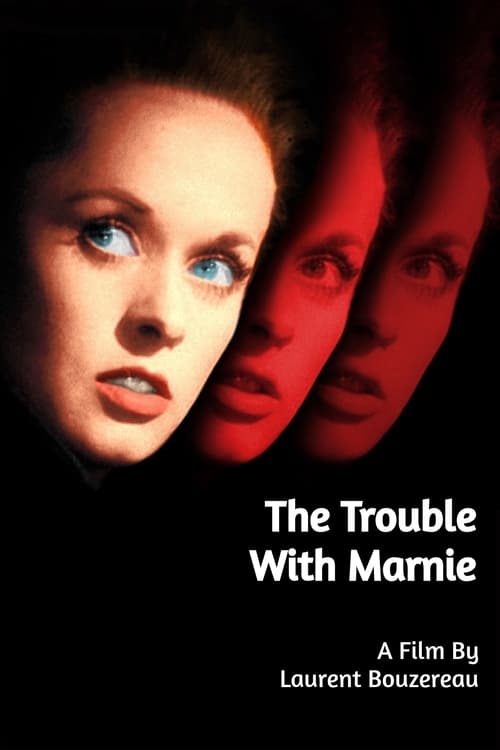
This hour long documentary on the making of Alfred Hitchcock's "Marnie" incorporates the usual melange of contemporary interviews with surviving participants and liberal helpings of film clips and production shots. It also presents a nice selection of script pages and memos as well. In the former category we find cast members 'Tippi' Hedren, Diane Baker, and Louise Latham, rejected screenwriters Joseph Stefano and Evan Hunter, final screenwriter Jay Presson Allen, daughter Pat Hitchcock O'Connell, production designer Robert Boyle, makeup artist Howard Smit, unit manager Hilton Green, Hitchcock historian Robin Wood, composer Bernard Herrmann biographer Steven C. Smith, and Hitchcock fan/filmmaker Peter Bogdanovich. An entertaining account of the film's production, the participants offer loads of valuable information and anecdotes. Highly enjoyable for Hitchcock fans and the film's growing number of admirers.
2000
2015
2005
2001
2001
2001
1997
2000
No reviews yet. Be the first to share your thoughts on this movie!
Use the rating form above to leave a star rating and optional review.